Motivation is exciting in the beginning.
It gives people energy, momentum, and optimism. It is the feeling that pushes leaders to set goals, launch projects, commit to change, or take on difficult challenges.
But motivation has a problem.
It fades.
And for high performers, the real challenge is not starting strong. It is staying consistent when the excitement disappears.
This is where leadership, resilience, and long-term performance are truly built.
Motivation Gets You Started; Systems Keep You Going
One of the biggest misconceptions around performance is the belief that successful people simply “feel motivated” more often.
They do not.
High performers experience:
doubt
fatigue
resistance
distraction
loss of momentum
just like everyone else.
The difference is not motivation. It is the systems and thinking patterns they rely on when motivation disappears.
As Andy Nunn discusses throughout the Tiny Shifts podcast, consistency is rarely about intensity. It is about having processes that help you continue showing up, even during the messy middle when progress feels slow or uncertain.
The “Messy Middle” Is Where Character Is Built
Most people focus on:
the excitement of starting
or the satisfaction of finishing
But very few talk about the difficult space in between.
The middle is where:
motivation fades
self-doubt creeps in
life becomes busy
goals feel harder than expected
For leaders, this matters because organisational performance often works the same way.
The hardest part of transformation is rarely launching the strategy. It is maintaining clarity, communication, and consistency once pressure increases.
This is why resilience is not about intensity.
It is about learning how to continue when things become uncomfortable.
High Performers Reduce Resistance
One of the simplest but most effective performance strategies is reducing friction.
Rather than relying on willpower alone, high performers intentionally create environments that make action easier.
This could include:
preparing the night before
scheduling key behaviours into routines
reducing distractions
creating accountability
simplifying difficult tasks into smaller actions
The goal is not perfection.
The goal is consistency.
This idea aligns strongly with leadership performance inside organisations. The best teams do not rely on motivation alone. They create systems that make good decision-making and effective communication easier under pressure.
Why Leaders Need More Than Discipline
Discipline matters.
But high performers also understand something deeper:
the stories people tell themselves influence performance.
When leaders face setbacks, many default to:
self-criticism
black-and-white thinking
harsh internal pressure
Over time, this creates fatigue, anxiety, and disengagement.
One of the strongest themes from the Wonderfully Uncomfortable podcast series is the importance of self-awareness and self-compassion during difficult periods.
Not as weakness.
But as a practical tool for resilience.
High performers do not avoid accountability. They simply avoid becoming their own worst enemy.
Consistency Is Built Through Small Actions
Many people believe progress requires massive effort every day.
In reality, long-term performance is usually built through smaller, repeatable behaviours.
This is where the idea of a “minimum dose” becomes powerful.
When motivation is low, high performers ask:
What is the smallest useful action I can still take today?
What keeps momentum alive?
What prevents me from stopping completely?
That could mean:
a shorter workout
writing one paragraph
having one difficult conversation
taking one small leadership action
Something is almost always better than nothing.
This mindset is particularly valuable for leaders navigating high-pressure environments where consistency matters more than occasional bursts of energy.
Leadership Under Pressure Requires Self-Awareness
In high-performing organisations, technical skill alone is not enough.
Leaders must also manage:
uncertainty
emotional pressure
decision fatigue
communication challenges
This is where mindset becomes practical, not theoretical.
The ability to pause, recognise unhelpful thinking, and respond intentionally can dramatically improve:
leadership behaviour
communication quality
decision-making under pressure
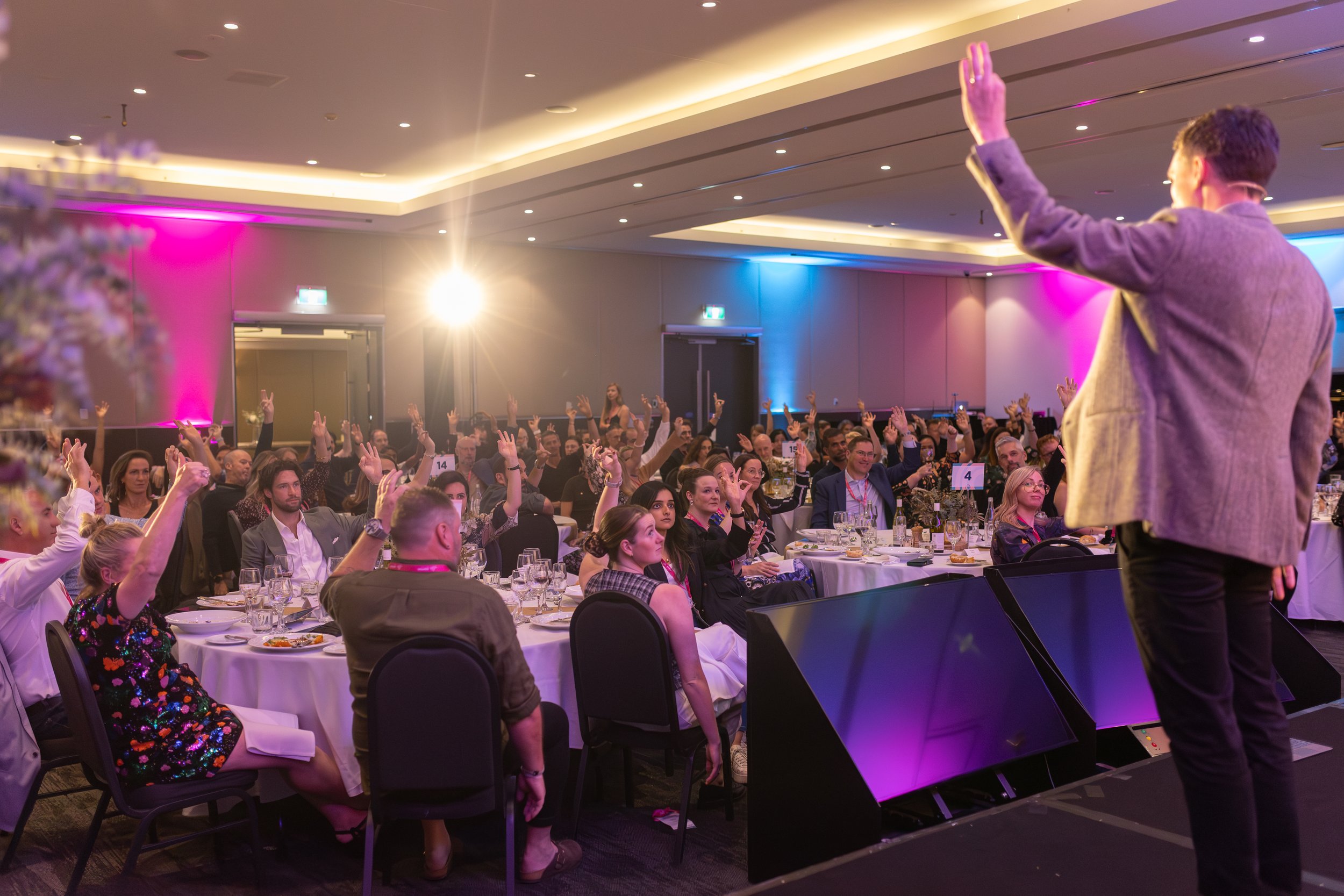
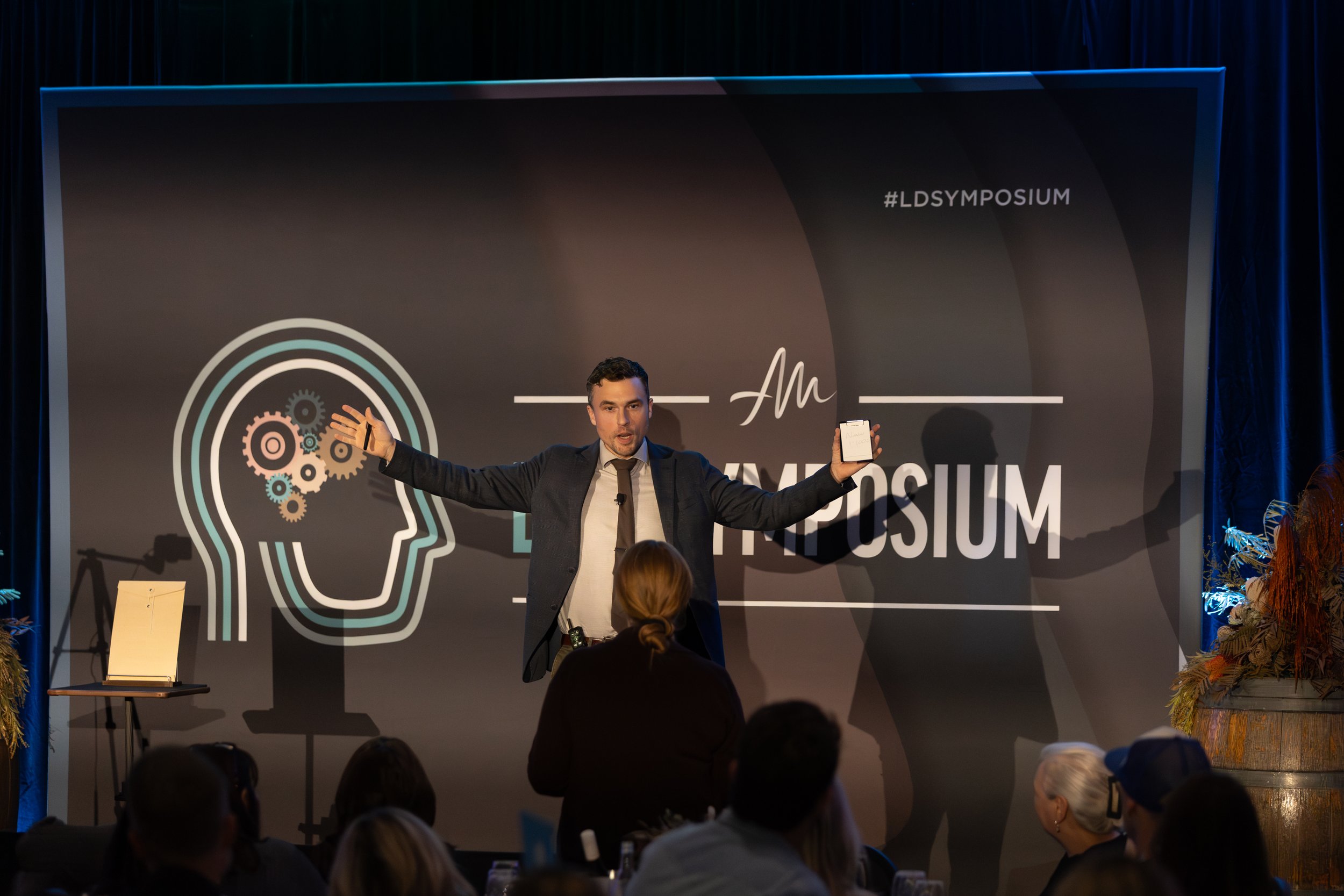
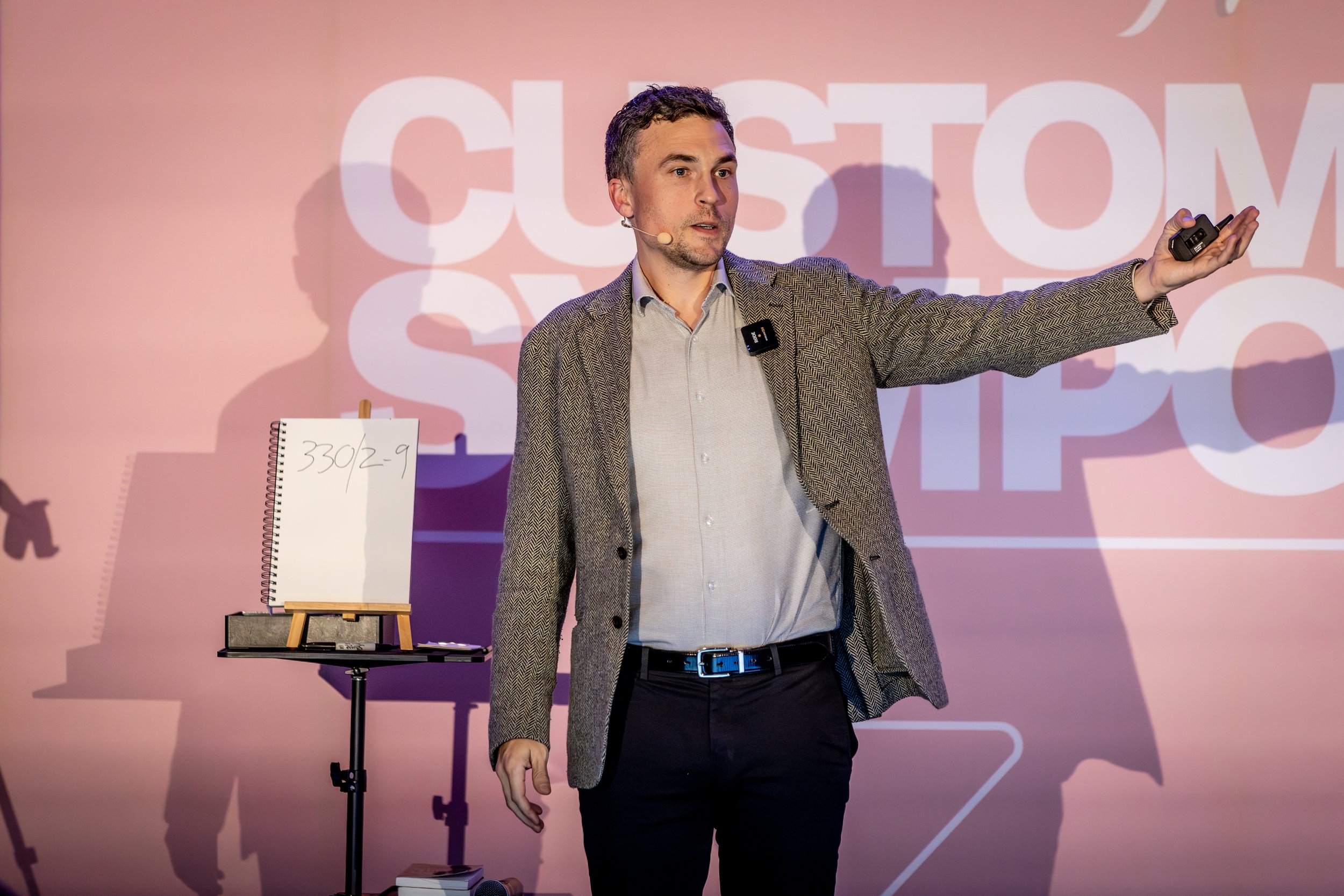
These themes sit at the centre of Andy Nunn’s keynote speaking work and the Mind the Gapkeynote, which explores how perception, thinking, and behaviour shape performance inside organisations.
Why Sydney Organisations Are Focusing on Resilience
Across Sydney’s corporate and leadership landscape, resilience is becoming a critical capability.
Not because leaders need to become tougher.
But because modern environments require:
adaptability
emotional awareness
sustained performance
clearer thinking under pressure
Organisations are increasingly looking for keynote speakers who can connect these ideas to real-world leadership challenges rather than simply delivering short-term motivation.
This is particularly relevant for:
executive teams
leadership conferences
sales organisations
transformation programs
high-performance cultures
The Goal Is Not Perfection — It Is Long-Term Growth
One of the most important mindset shifts high performers make is understanding that progress is not linear.
There will be:
setbacks
difficult weeks
failed attempts
moments of doubt
That is part of the process.
The leaders who sustain long-term performance are usually the ones who:
recover faster
stay adaptable
maintain perspective
continue showing up
This is what builds character over time.
Not perfection.
Consistency.
Final Thought: Motivation Is Temporary, Identity Lasts
Motivation comes and goes.
But identity is different.
When people begin to see themselves as:
someone who follows through
someone who adapts
someone who handles discomfort
someone who continues despite setbacks
their behaviour changes.
This is why high performance is rarely built around hype or intensity alone.
It is built through repeated action, self-awareness, and the ability to keep moving forward when motivation fades.
About Andy Nunn
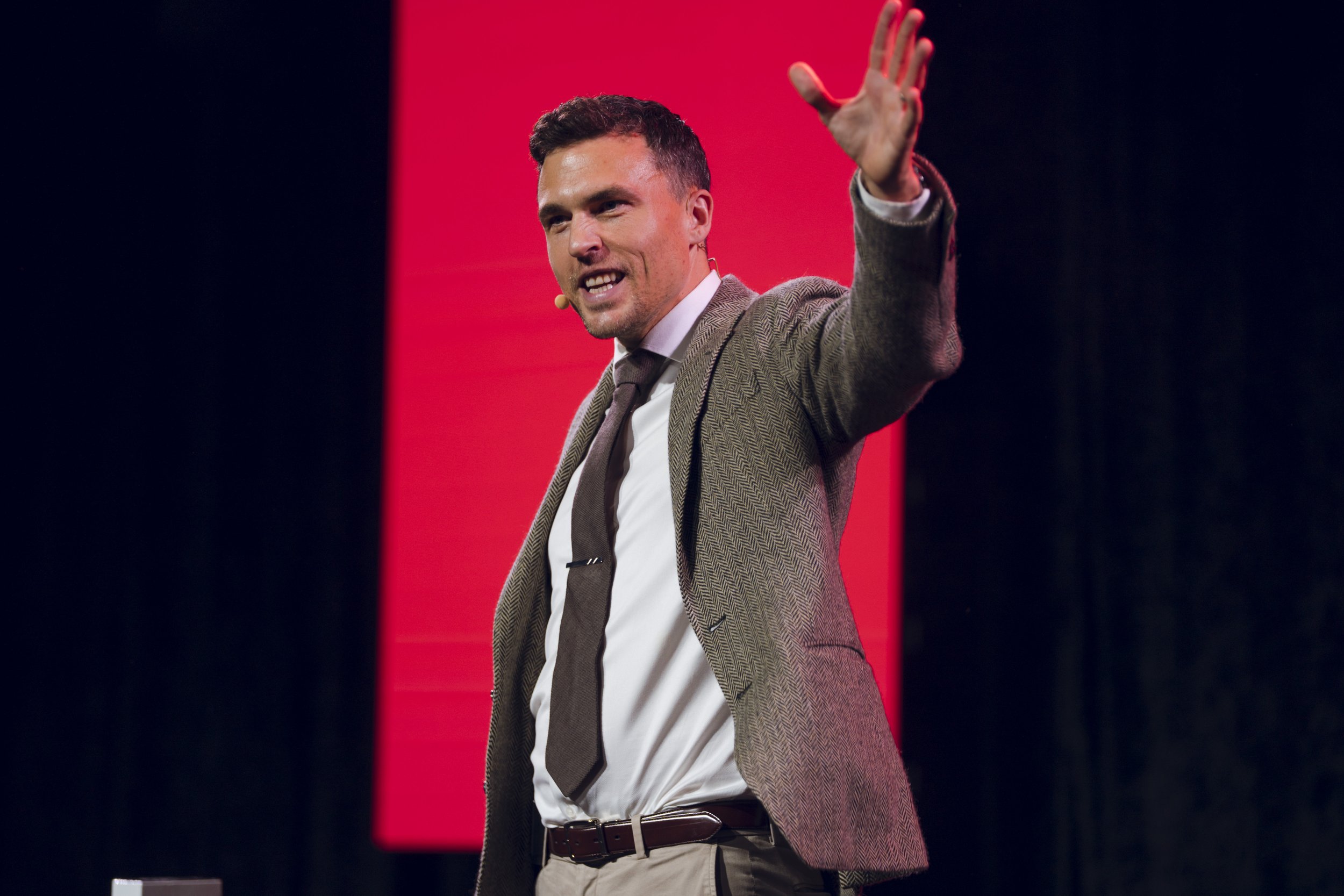
Andy Nunn is an Australian keynote speaker working with senior leaders, executive teams, and organisations to improve decision-making, leadership communication, and performance under pressure.
His keynote Mind the Gap explores the relationship between perception, behaviour, and performance, helping leaders think more clearly and respond more effectively in complex environments.
Learn more or enquire about keynote speaking at:
Andrew nunn
Planning a Leadership Event in Sydney?
If your organisation is exploring themes such as:
resilience
leadership performance
decision-making under pressure
communication
consistency
mindset and behaviour change
you can learn more about keynote speaking with Andy Nunn at: www.andrewnunn.com
Related insights
You may also want to explore:
Home – www.andrewnunn.com
Mind the Gap keynote – Andy Nunn keynote speaking
Wonderfully Uncomfortable Keynote - Andy Nunn keynote speaking
Speaking and contact enquiries – contact Andy about your event
LinkedIn – Link
Social and Podcast links
Instagram: andythementalist
Tiny Shifts Podcast: Why We Can’t Do The Things We Say We Are Going To Do