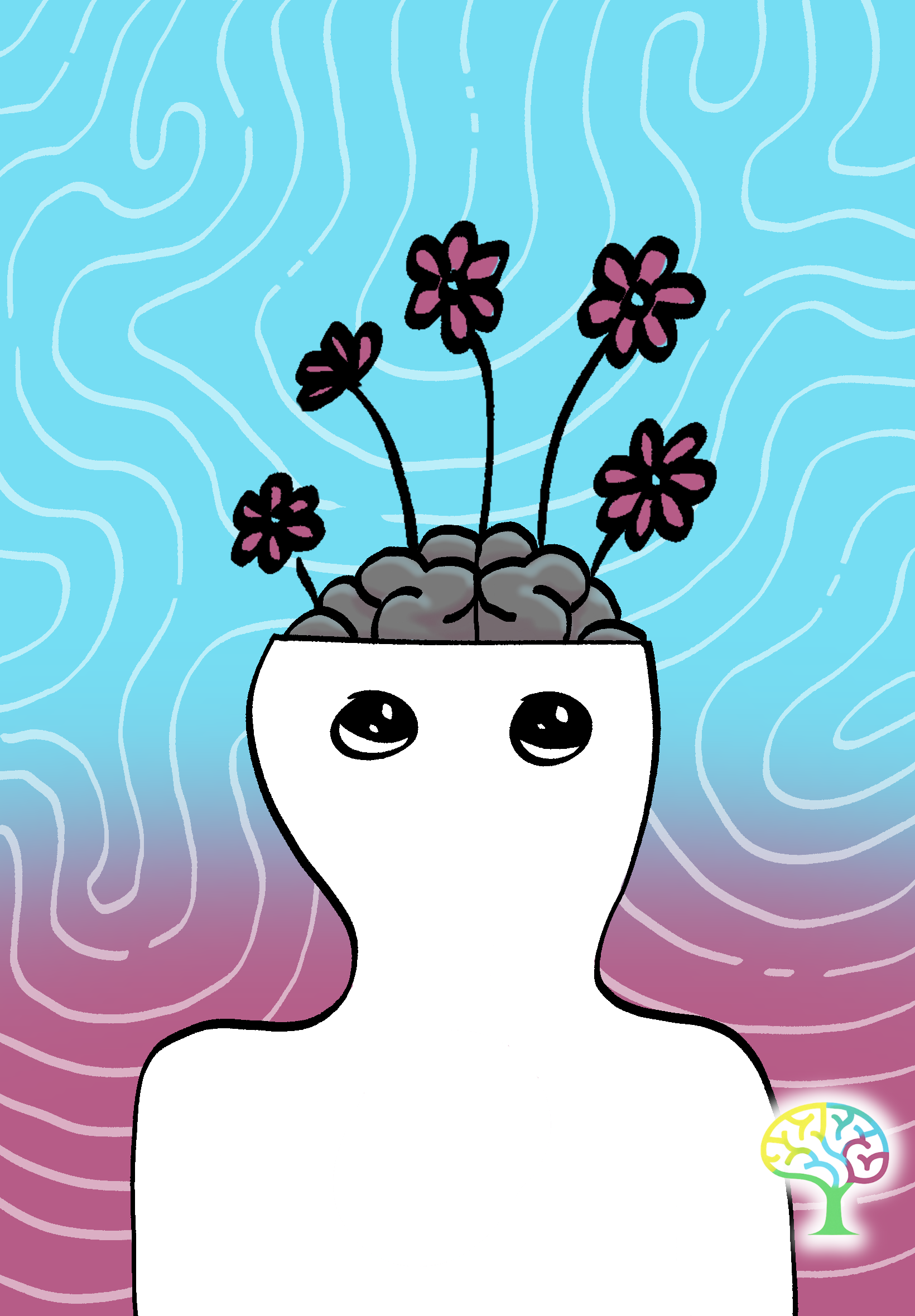
In this episode of the Tiny Shifts Podcast, Andy Nunn explores the part of growth that most people overlook.
The messy middle.
This is the phase where motivation fades, doubt creeps in and progress feels slow. It is the part that does not get shared, but it is the part that defines who you become.
WHAT IS THE MESSY MIDDLE
The messy middle is the space between starting and finishing.
At the beginning, you feel motivated and excited.
At the end, you see results.
But in the middle:
You feel tired
You lose momentum
You question yourself
You want to quit
This is where most people stop.
WHY THIS STAGE IS SO DIFFICULT
Starting something new is exciting.
You get energy from novelty and anticipation.
But as that fades, reality takes over.
Life gets busy.
You feel fatigued.
Doubt starts to creep in.
And the challenge is no longer physical.
It becomes mental.
THE REAL PROBLEM IS NOT THE SYSTEM
Many people believe they just need a better system.
But the reality is:
It is not just a systems problem.
It is a human problem.
Before action, there is thinking.
Before habits, there are beliefs.
If you cannot manage what happens in your mind during difficult moments, no system will save you.
THE GAP BETWEEN STIMULUS AND RESPONSE
One of the most important ideas in this episode is the gap between stimulus and response.
Something happens.
You feel discomfort.
And in that moment, you have a choice.
Most people react automatically.
But if you can control that gap, you can choose your response.
This is where growth happens.
WHY CONSISTENCY MATTERS MORE THAN INTENSITY
A common mistake is chasing short bursts of motivation.
But real progress comes from long-term consistency.
Not one big effort.
But showing up repeatedly.
This is what builds character.
THE MAP FRAMEWORK
To navigate the messy middle, this episode introduces a simple framework called MAP.
M – Minimum Dose
What is the smallest action you can take
On difficult days, lower the bar.
Something is always better than nothing.
A – Anchor
Attach the behaviour to something you already do
For example:
If I feel tired, then I will still do a lighter version
If I cannot complete the full task, then I will do a reduced version
This removes decision-making in difficult moments.
P – Prove It
Track your progress
Whether it is a habit tracker, app or simple checklist, tracking builds awareness and momentum.
SELF-COMPASSION VS SELF-CRITICISM
One of the biggest barriers in the messy middle is how you speak to yourself.
Many people believe they need to be harsh to stay disciplined.
But in reality, self-criticism leads to:
Anxiety
Low confidence
Avoidance
Self-compassion is more effective.
WHAT SELF-COMPASSION REALLY IS
Self-compassion is not making excuses.
It is staying on your own side when things get hard.
There are three key elements:
Self-kindness
Recognising struggle is part of being human
Awareness without overreaction
Instead of saying “I failed”, you say:
This is hard.
This is part of the process.
I can try again.
WHAT YOU’LL LEARN IN THIS EPISODE
Why motivation fades in the middle
The psychology behind quitting
How to manage difficult moments
A practical framework for staying consistent
The importance of self-compassion
How to change negative thinking patterns
KEY TOPICS COVERED
Mindset and behaviour
Consistency vs motivation
Self-compassion
Cognitive patterns
Habit systems
Personal growth
WHY THIS MATTERS
Most people focus on starting or finishing.
But the middle is where everything happens.
It is where:
You build resilience
You develop discipline
You change your identity
If you can get through this stage, you can achieve almost anything.
TIMESTAMPS
00:00 – Introduction to the series
02:00 – What is the messy middle
04:30 – Why motivation fades
07:00 – The problem with relying on systems
10:00 – The gap between stimulus and response
13:00 – Long-term consistency vs short-term intensity
16:00 – The MAP framework explained
20:00 – Minimum dose and lowering the bar
23:00 – Anchoring behaviours
26:00 – Tracking and proving progress
29:00 – Self-compassion vs self-criticism
32:00 – Catch it, challenge it, change it
36:00 – Real-life examples and application
40:00 – Final reflections and key takeaway
Related insights
You may also want to explore:
Home – www.andrewnunn.com
The Human Advantage keynote – The Human Advantage leadership keynote
Speaking and contact enquiries – contact Andy about your event
LinkedIn – Link
Episode Workbook - Link
Social and Podcast links
Instagram: andythementalist
Tiny Shifts Podcast: Wonderfully Uncomfortable (3 of 4):The Messy Middle