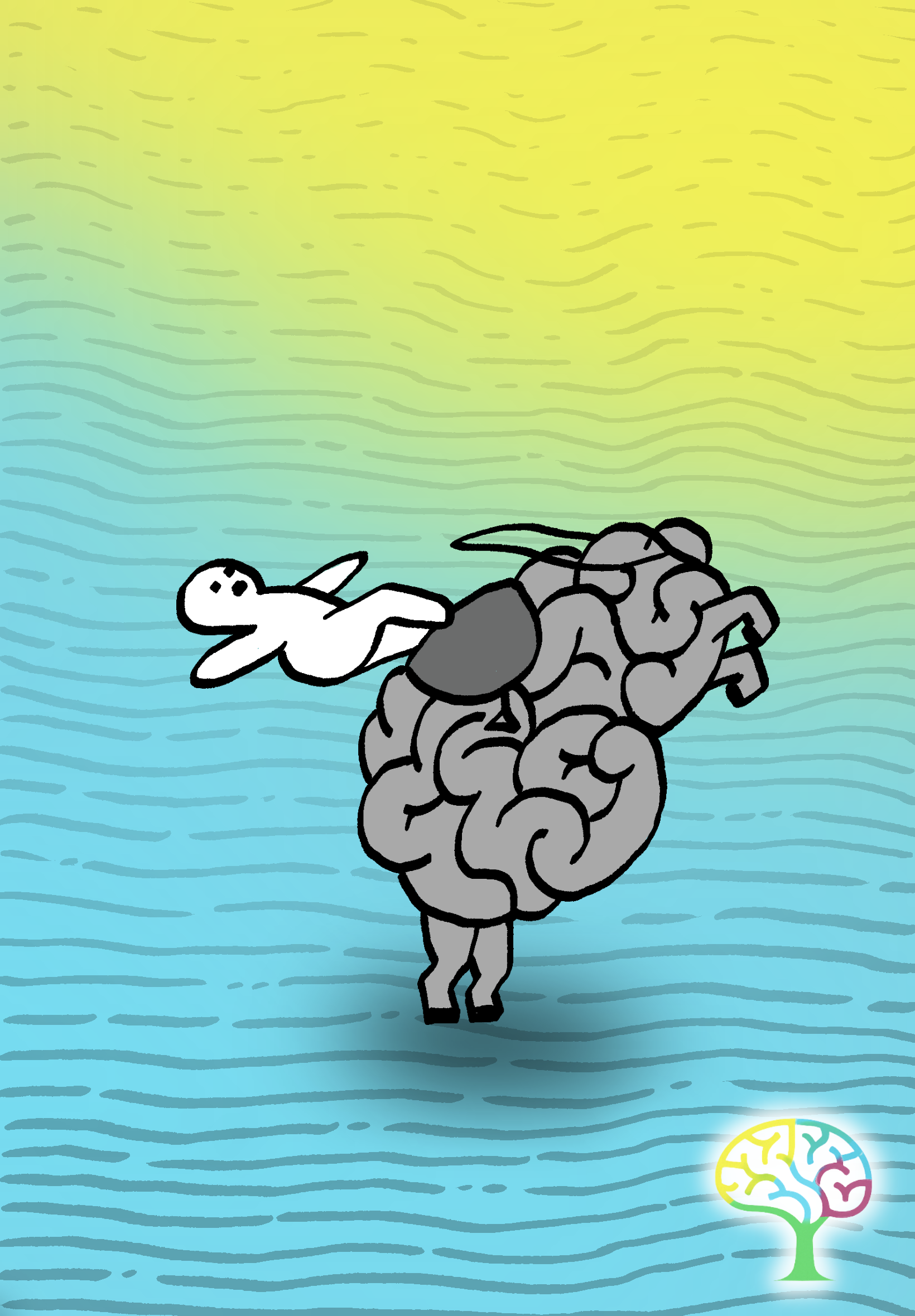
In this episode of the Tiny Shifts Podcast, Andy Nunn explores why mindfulness feels so difficult and what it actually means in practice.
Mindfulness is often misunderstood as clearing your mind or trying to feel calm. But in reality, it is something much simpler and more challenging. It is awareness.
This episode breaks down what is really happening in your mind, why thoughts feel overwhelming and how building awareness can help you make better decisions and respond more effectively in difficult moments.
WHAT MINDFULNESS REALLY IS
Mindfulness is not about eliminating thoughts.
It is about noticing them.
Most people try mindfulness, feel overwhelmed by their thoughts and assume they are doing it wrong. But that is actually the point.
Your mind is always active. Thoughts, emotions and reactions are constantly happening in the background.
Mindfulness simply allows you to see them clearly.
WHY MINDFULNESS FEELS HARD
Mindfulness is difficult because it goes against how your brain normally operates.
Most of your thinking is automatic. You react without noticing.
When you slow down and pay attention, you start to see:
How often your mind drifts
How quickly emotions take over
How reactive your thinking can be
This can feel uncomfortable at first.
But that awareness is where change begins.
THE GAP BETWEEN STIMULUS AND RESPONSE
One of the most important benefits of mindfulness is creating space.
There is always a moment between something happening and how you respond.
Most people react instantly.
Mindfulness helps you pause.
When you increase that gap, you can:
Make better decisions
Avoid emotional reactions
Respond instead of react
This is one of the most powerful skills you can build.
MINDFULNESS AND ANXIETY
Mindfulness plays a key role in managing anxiety.
When you avoid your thoughts or distract yourself, they often come back stronger.
Mindfulness takes a different approach.
Instead of pushing thoughts away, you:
Notice them
Label them
Allow them to pass
Over time, this reduces their intensity and helps you feel more in control.
COMMON MISCONCEPTIONS
There are a few major misunderstandings about mindfulness:
It is not about emptying your mind
It is not about always feeling calm
It is not about positive thinking
It is not about fixing your emotions
It is simply about awareness.
The goal is not to change what you feel immediately, but to understand it.
PRACTICAL WAYS TO BUILD MINDFULNESS
1. Remove Distractions
Reduce unnecessary noise, especially from your phone.
Even having your phone nearby can pull your attention away.
2. Focus on One Thing at a Time
Avoid multitasking.
When you are working, work.
When you are resting, rest.
This helps train your attention.
3. Try Journaling
Writing helps you process thoughts and emotions.
It gives structure to what is happening in your mind.
4. Practice Meditation
Start small.
Even a few minutes a day can help you build awareness over time.
5. Sit With Discomfort
Instead of distracting yourself, allow yourself to feel what is happening.
This is where real progress happens.
WHAT YOU’LL LEARN IN THIS EPISODE
Why mindfulness feels difficult at first
The difference between awareness and control
How thoughts and emotions actually work
How to create space before reacting
Practical ways to build mindfulness daily
KEY TOPICS COVERED
Mindfulness and awareness
Anxiety and emotional control
Behaviour and habits
Attention and focus
Decision-making
Mental clarity
WHY THIS MATTERS
We live in a world designed to capture your attention.
Constant distractions make it harder to think clearly and stay present.
Mindfulness gives you that control back.
It allows you to:
Focus better
Manage emotions
Make clearer decisions
Build better habits
TIMESTAMPS
00:00 – Introduction to mindfulness
02:30 – What mindfulness really is
05:00 – Why people struggle with it
08:00 – The role of thoughts and awareness
11:00 – Creating space before reacting
14:00 – Mindfulness and anxiety
18:00 – Common misconceptions
21:00 – Practical tools and habits
26:00 – Final reflections
Related insights
You may also want to explore:
Home – www.andrewnunn.com
Mind the Gap keynote – Andy Nunn keynote speaking
Speaking and contact enquiries – contact Andy about your event
LinkedIn – Link
Episode Workbook - Link
Social and Podcast links
Instagram: andythementalist
Tiny Shifts Podcast: Mindfulness is Hard