Leadership is often described as the ability to see what others cannot.
To identify opportunities before competitors.
To anticipate risks before they become crises.
To recognise patterns before they become trends.
Yet one of the great paradoxes of leadership is this:
Leaders are often the last people to see the problems sitting right in front of them.
Not because they lack intelligence.
Not because they do not care.
And certainly not because they are incapable.
More often, it is because leadership changes perspective.
The higher people move within organisations, the further they can become from the everyday experiences of the people they lead.
This creates blind spots.
And those blind spots can quietly influence communication, culture, performance, and decision-making long before anyone notices.
Leadership Creates Distance
As leaders progress through organisations, their responsibilities expand.
Their focus shifts from operational details to strategy, growth, stakeholders, and long-term priorities.
This shift is necessary.
But it can also create distance.
Distance from customers.
Distance from frontline employees.
Distance from the day-to-day reality of how decisions are experienced by others.
The result is that leaders can become increasingly dependent on filtered information.
By the time information reaches senior leadership, it has often been interpreted, softened, summarised, or selectively shared.
This means leaders are not always seeing the full picture.
They're seeing a version of it.
Why Success Can Create Blind Spots
Ironically, success can make blind spots worse.
When leaders have achieved strong results in the past, it becomes easy to trust existing assumptions.
The thinking becomes:
We've solved challenges like this before.
We know what works.
We've seen this situation many times.
Experience is valuable.
But experience can also create certainty.
And certainty can prevent curiosity.
When leaders stop questioning their assumptions, they risk becoming less aware of the changing reality around them.
The danger is not confidence.
The danger is becoming overconfident in what you think you already know.
The Gap Between Intention and Impact
Most leaders have positive intentions.
They want:
strong cultures
engaged teams
open communication
high performance
Yet intention and impact are not always the same thing.
A leader may believe they are being clear.
A team may experience confusion.
A leader may believe they are creating accountability.
Employees may experience fear.
A leader may believe they are listening.
Others may feel unheard.
This gap between intention and impact exists in every organisation.
The challenge is that leaders often experience their intentions directly, while everyone else experiences the impact.
That is why awareness becomes such a critical leadership skill.
Why Teams Often See Problems First
Employees closest to the work usually see issues long before leadership does.
They notice:
customer frustrations
process inefficiencies
communication breakdowns
cultural tensions
emerging risks
The problem is not whether these issues exist.
The problem is whether people feel safe enough to raise them.
When organisations create environments where feedback is discouraged, ignored, or punished, problems become invisible.
Not because they disappear.
Because people stop talking about them.
This is one of the most expensive mistakes organisations make.
The issue is rarely the problem itself.
The issue is discovering it too late.
What Sydney Organisations Are Learning About Leadership Awareness
Across Sydney, many organisations are investing more heavily in leadership development focused on awareness, communication, and decision-making.
The reason is simple.
Technical expertise alone is no longer enough.
Leaders are increasingly required to:
navigate complexity
manage uncertainty
influence diverse teams
make decisions under pressure
As a result, leadership conferences and corporate events are increasingly exploring topics such as perception, behavioural psychology, and leadership blind spots.
Organisations are recognising that performance often improves when awareness improves.
Why Melbourne Leadership Teams Are Focusing on Feedback
Many Melbourne organisations are placing greater emphasis on feedback cultures.
Not because feedback is fashionable.
Because feedback reduces blind spots.
The most effective leaders actively seek perspectives that challenge their assumptions.
They create environments where disagreement is welcomed rather than avoided.
They understand that constructive feedback is not a threat to authority.
It is a tool for better decision-making.
Leaders who only hear agreement often receive the least accurate picture of reality.
How Gold Coast Conferences Are Exploring Leadership Psychology
The Gold Coast continues to grow as a destination for executive retreats, leadership events, and corporate conferences.
Increasingly, these events are focusing on leadership psychology rather than leadership tactics alone.
Topics such as:
self-awareness
perception
resilience
decision-making
communication
are becoming central themes.
This reflects a broader shift in leadership development.
Organisations are recognising that sustainable performance starts with understanding how people think.
Why Adelaide Organisations Are Investing in Better Leadership Conversations
Across Adelaide, many organisations are focusing on improving the quality of leadership conversations.
Because most organisational problems do not begin with poor strategy.
They begin with:
assumptions
misunderstandings
communication breakdowns
unspoken concerns
Leaders who create better conversations tend to identify problems earlier.
They build stronger trust.
And they make better decisions because they have access to more accurate information.
How Leaders Can Reduce Blind Spots
No leader can eliminate blind spots entirely.
That is impossible.
But they can reduce them.
Some practical approaches include:
Ask Better Questions
Replace:
"What do people think?"
With:
"What might I be missing?"
Seek Contradictory Evidence
Actively look for information that challenges your current view.
Create Psychological Safety
People are more likely to share concerns when they believe it is safe to do so.
Listen for What Is Not Being Said
Silence can sometimes reveal as much as feedback.
Stay Curious
Curiosity is often the antidote to certainty.
The Leadership Skill That Matters Most
Many people assume leadership is about having answers.
In reality, modern leadership is increasingly about asking better questions.
The leaders who continue to learn, adapt, and remain curious tend to identify problems earlier than those who assume they already understand everything.
Awareness is not weakness.
It is a competitive advantage.
Because the earlier you see a problem, the more options you have to address it.
Final Thought: The Problem Is Usually Visible
Most organisational problems do not appear overnight.
They emerge gradually.
The warning signs are often there long before the consequences arrive.
The challenge is not visibility.
The challenge is perspective.
The most effective leaders are not necessarily those who see everything.
They are the ones who continuously question what they might not be seeing.
And that mindset can transform decision-making, communication, culture, and performance.
About Andy Nunn
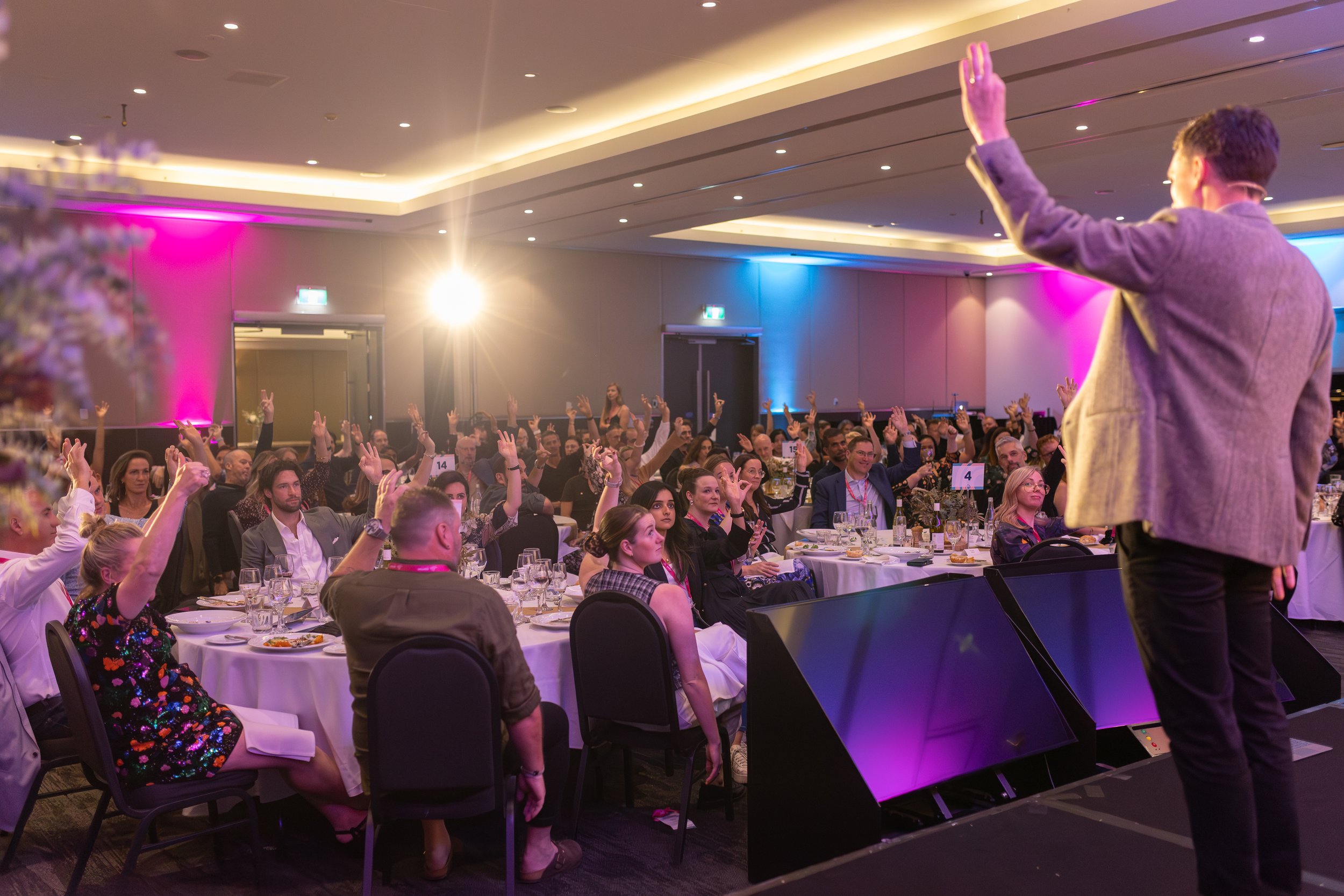
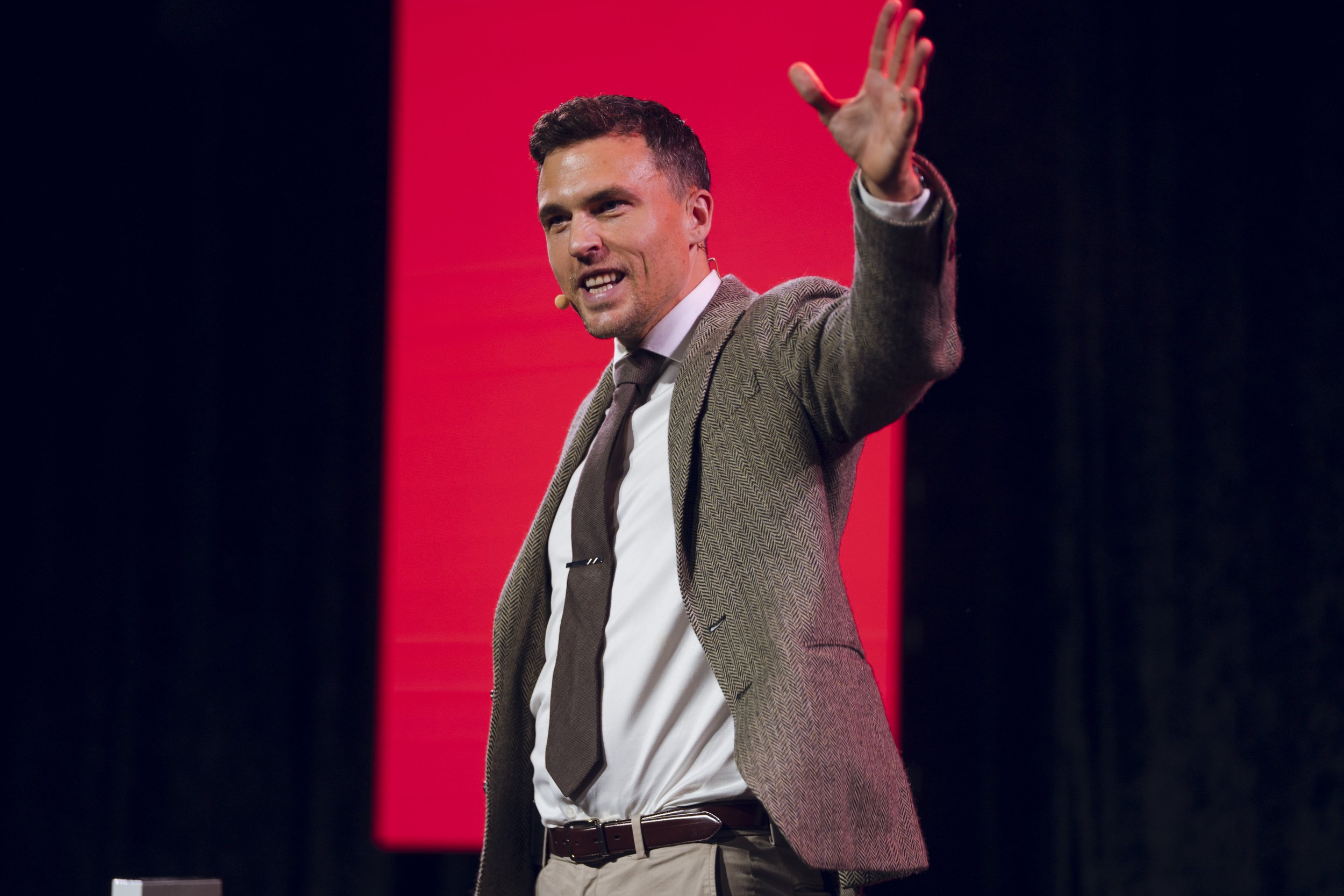
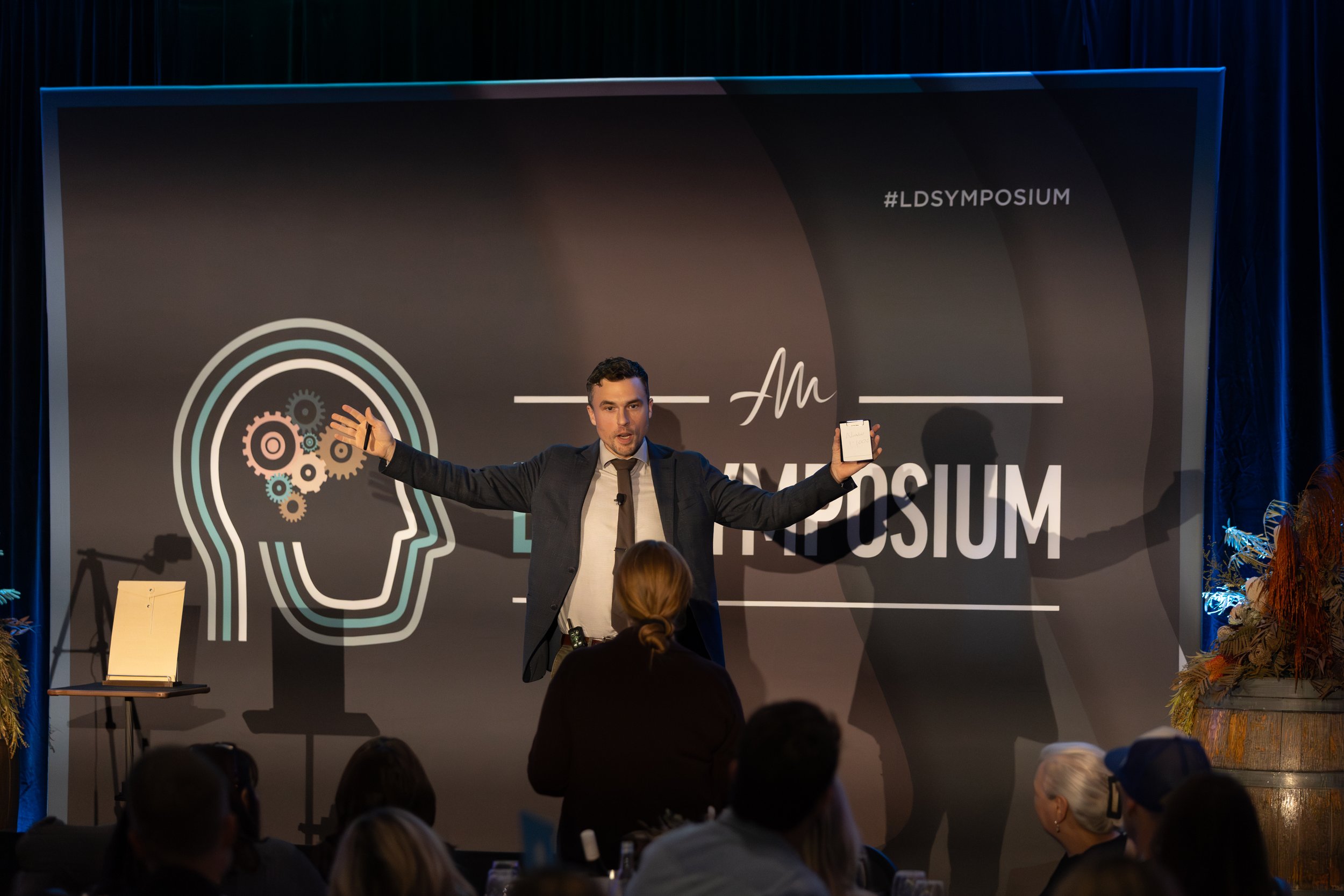
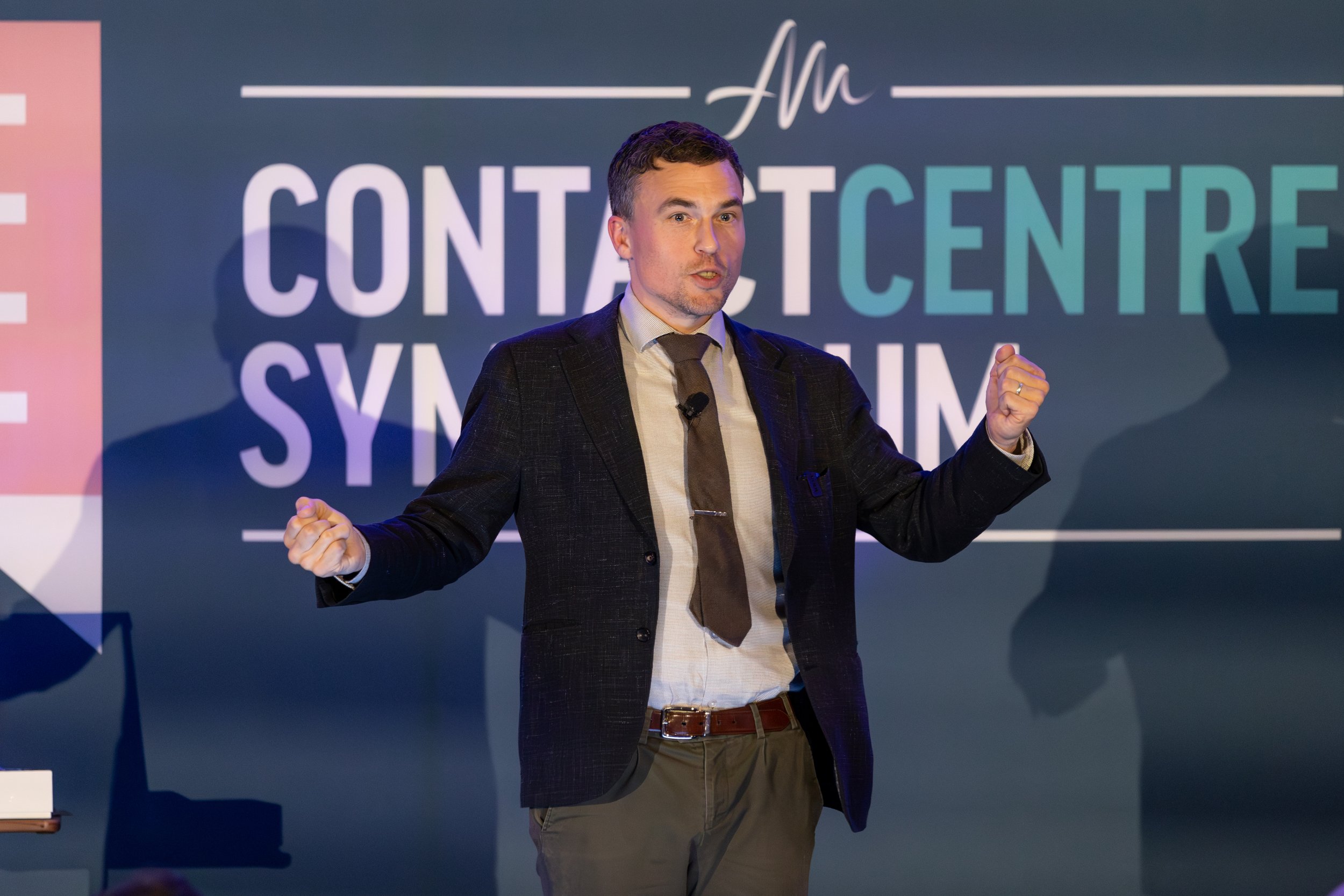
Andy Nunn is an Australian keynote speaker who works with senior leaders, executive teams, and organisations to improve decision-making, communication, leadership effectiveness, and performance under pressure.
His keynote The Human Advantage explores the gap between perception and reality, helping leaders recognise blind spots, challenge assumptions, and make better decisions in complex environments.
Andy regularly delivers keynote presentations and leadership events across Sydney, Melbourne, Adelaide, and the Gold Coast.
Learn more at www.andrewnunn.com.
Related insights
You may also want to explore:
Home – www.andrewnunn.com
The Human Advantage keynote – The Human Advantage leadership keynote
Wonderfully Uncomfortable Keynote - Andy Nunn keynote speaking
Speaking and contact enquiries – contact Andy about your event
LinkedIn – Link
Social and Podcast links
Instagram: andythementalist
Tiny Shifts Podcast: Why We Can’t Do The Things We Say We Are Going To Do