Leadership is often viewed as a process of making decisions based on facts.
Gather the information.
Assess the evidence.
Make the best decision possible.
Simple.
At least in theory.
In reality, leadership is rarely that straightforward.
Because people do not respond solely to facts.
They respond to how they interpret those facts.
They respond to their beliefs, assumptions, experiences, emotions, and perceptions.
This creates one of the most important leadership challenges that exists today:
People often react more strongly to what they believe is true than what is actually true.
And if leaders fail to understand that, they can unintentionally create confusion, resistance, and conflict even when their intentions are good.
Leadership Happens Through Perception
Most leaders focus heavily on what they are trying to communicate.
Far fewer focus on how their message is being interpreted.
Yet perception sits at the centre of every interaction.
A leader may believe they are:
being clear
being supportive
providing direction
creating accountability
But team members may perceive something completely different.
They may perceive:
criticism
uncertainty
pressure
lack of trust
The challenge is not simply what was said.
The challenge is how it was received.
And in leadership, perception often becomes reality.
The Gap Between Intention and Impact
One of the most common leadership mistakes is assuming that good intentions automatically create positive outcomes.
Unfortunately, they do not.
Every leader has experienced moments where they have thought:
"That wasn't what I meant."
Or:
"That's not how I intended that to come across."
This is the gap between intention and impact.
Leaders experience their intentions.
Teams experience the impact.
And those two things are not always aligned.
This is why communication is never just about speaking.
It is about understanding how messages are interpreted.
Leadership challenges are often less about intelligence and more about awareness. As explored in Why Leaders Are Often the Last to See the Problem, blind spots can prevent leaders from recognising issues until they have already started affecting performance.
Why Smart People Can See the Same Situation Differently
One of the most fascinating aspects of human behaviour is that two intelligent people can look at the exact same situation and reach completely different conclusions.
Why?
Because perception is influenced by:
past experiences
personal values
biases
beliefs
emotions
expectations
No two people see the world exactly the same way.
This explains why disagreement exists inside even the highest-performing teams.
People are not always disagreeing about the facts.
Often, they are disagreeing about what those facts mean.
The best leaders understand this.
Rather than assuming others are wrong, they become curious about the perspective driving the disagreement.
Why Sydney Organisations Are Focusing on Leadership Perception
Across Sydney, organisations are increasingly recognising that leadership effectiveness is shaped by more than technical expertise.
Leaders are expected to:
influence people
communicate clearly
navigate uncertainty
build trust
align teams around common goals
All of these depend on perception.
A technically brilliant leader who is perceived as disconnected or difficult to approach will struggle to create engagement.
This is why leadership conferences and executive events across Sydney are increasingly exploring topics such as behavioural psychology, communication, influence, and perception.
Melbourne Organisations Are Investing in Better Leadership Conversations
Many Melbourne organisations are shifting their leadership development focus towards awareness and communication.
The reason is simple.
When leaders understand perception, conversations improve.
Feedback becomes more effective.
Conflict becomes easier to navigate.
Trust grows faster.
And teams become more aligned.
The quality of leadership conversations often determines the quality of organisational performance.
The Hidden Role of Bias in Leadership
Perception is closely connected to bias.
Every leader has biases.
Every employee has biases.
Every team has biases.
Bias is not a sign of weakness.
It is part of being human.
The challenge is recognising when those biases are influencing decisions.
Without awareness, leaders can unknowingly:
favour certain viewpoints
dismiss alternative perspectives
misread situations
overestimate certainty
underestimate risk
The most effective leaders are not those without bias.
They are the ones who recognise its influence and actively challenge their assumptions.
Why Gold Coast Conferences Are Exploring Human Behaviour
Leadership events across the Gold Coast are increasingly moving beyond traditional motivational content.
Organisations want practical insights into:
decision-making
influence
communication
behavioural psychology
performance under pressure
Why?
Because understanding human behaviour helps leaders understand perception.
And understanding perception helps leaders lead more effectively.
The ability to recognise how people interpret situations has become a critical leadership capability.
Adelaide Organisations Are Prioritising Leadership Awareness
Across Adelaide, organisations are investing more heavily in leadership programs focused on awareness, communication, and culture.
Many leaders are discovering that organisational challenges are rarely caused by strategy alone.
More often, challenges emerge from:
assumptions
misunderstandings
perception gaps
communication breakdowns
When leaders learn to recognise these gaps, they can address issues earlier and create stronger alignment across teams.
The Most Effective Leaders Stay Curious
One of the simplest ways to improve leadership perception is curiosity.
Curious leaders ask:
What might I be missing?
How are others seeing this situation?
What assumptions am I making?
How could this message be interpreted differently?
These questions create awareness.
Awareness creates clarity.
And clarity improves decision-making.
The moment leaders assume they already know everything is often the moment their blind spots begin to grow.
Curiosity is also one of the reasons high performers remain adaptable when challenges arise. Consistency often comes from maintaining awareness rather than relying on motivation alone, a theme explored in How High Performers Stay Consistent When Motivation Fades.
Why Perception Matters for Decision-Making
Every decision is influenced by perception.
How leaders interpret information.
How teams interpret leadership decisions.
How customers interpret experiences.
How organisations interpret change.
When perception and reality align, progress becomes easier.
When they diverge, confusion often follows.
Under pressure, perception becomes even more influential. In Why Leaders Struggle to Make Clear Decisions Under Pressure, we explored how stress narrows thinking, increases emotional reactivity, and affects judgement.
This is why great leadership is not simply about making better decisions.
It is about understanding how those decisions will be perceived.
Why This Matters for Leadership Events and Conferences
These are some of the themes increasingly explored at leadership conferences and corporate events across Sydney, Melbourne, Adelaide, and the Gold Coast as organisations look for practical ways to improve decision-making, communication, influence, and performance.
For event organisers looking for a leadership keynote speaker in Australia, topics such as perception, behavioural psychology, communication, and decision-making continue to resonate strongly with executive audiences.
Final Thought: Leadership Exists in the Gap
Leadership is not simply about facts.
It is about interpretation.
It is about understanding how people experience the world around them.
The most effective leaders recognise that perception influences behaviour, communication, trust, and decision-making.
They understand that reality matters.
But perception often drives action.
And the leaders who learn to close the gap between perception and reality create stronger teams, better conversations, and more effective organisations.
About Andy Nunn
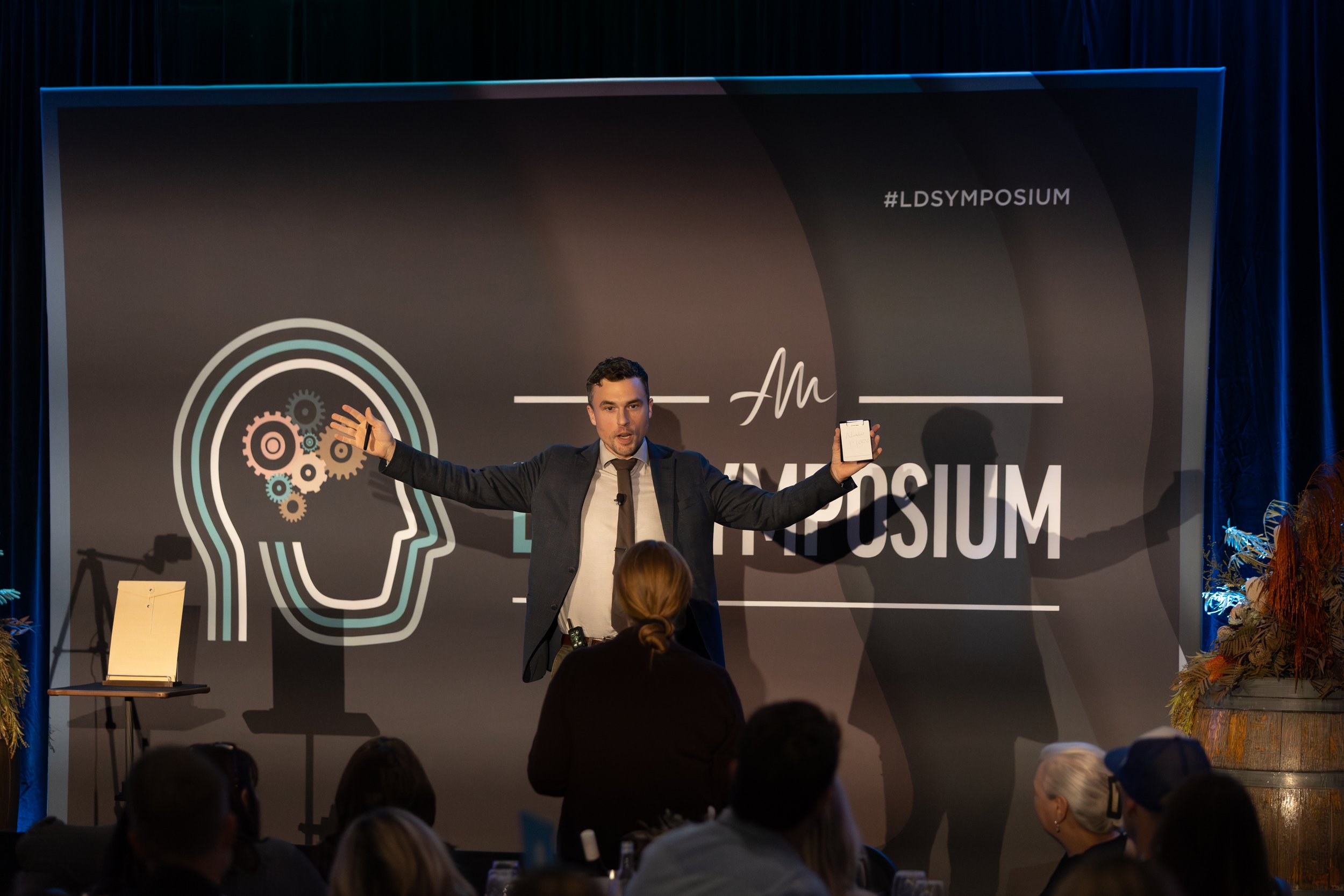
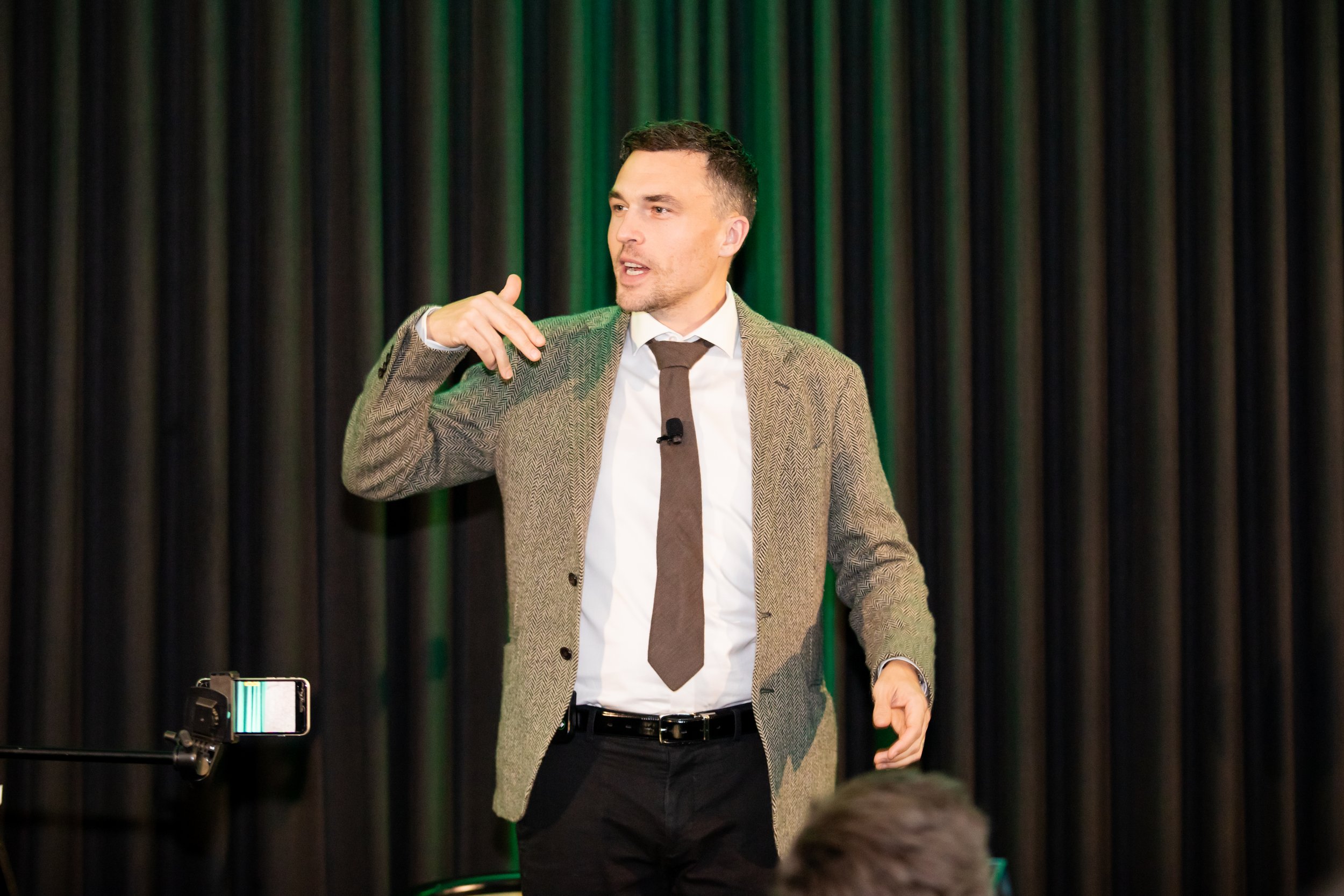
Andy Nunn is an Australian keynote speaker who works with senior leaders, executive teams, and organisations to improve decision-making, communication, influence, and performance under pressure.
His keynote Mind the Gap explores the space between perception and reality, helping leaders understand how assumptions, bias, and human behaviour influence decision-making and leadership effectiveness.
The keynote helps audiences recognise blind spots, challenge existing thinking, improve communication, and make better decisions in complex environments.
Andy regularly delivers keynote presentations and leadership events across Sydney, Melbourne, Adelaide, and the Gold Coast.
Learn more about Mind the Gap, Andy's keynote speaking programs, or enquire about an upcoming event at www.andrewnunn.com.
Related insights
You may also want to explore:
Home – www.andrewnunn.com
Mind the Gap keynote – Andy Nunn keynote speaking
Wonderfully Uncomfortable Keynote - Andy Nunn keynote speaking
Speaking and contact enquiries – contact Andy about your event
LinkedIn – Link
Social and Podcast links
Instagram: andythementalist
Tiny Shifts Podcast: Why We Can’t Do The Things We Say We Are Going To Do