Leadership is often associated with having answers.
The leader walks into the room, makes the decision, solves the problem, and provides direction.
For decades, that image has shaped how many people think leadership should look.
But the reality is very different.
The most effective leaders I've worked with aren't the ones who always have the right answers.
They're the ones who consistently ask better questions.
Questions create clarity.
Questions uncover assumptions.
Questions challenge thinking.
And perhaps most importantly, questions invite people into the conversation instead of shutting it down.
In a world where complexity is increasing and certainty is becoming harder to find, asking better questions may be one of the most valuable leadership skills we can develop.
Leadership Isn't About Having All the Answers
One of the biggest pressures leaders place on themselves is the belief that they should know everything.
The higher someone moves within an organisation, the more they can feel expected to provide immediate solutions.
But leadership isn't a test of who knows the most.
It's a process of helping teams think more effectively.
Leaders who believe they must always have the answer often become:
quicker to judge
slower to listen
less open to new ideas
more likely to reinforce their own assumptions
The irony is that confidence without curiosity can become a liability.
Better Questions Lead to Better Decisions
Every decision starts with the quality of the thinking behind it.
And the quality of our thinking is influenced by the questions we ask.
Instead of asking:
"Who's responsible?"
Try asking:
"What can we learn?"
Instead of:
"How quickly can we fix this?"
Ask:
"What problem are we actually trying to solve?"
Small changes in language can completely change the direction of a conversation.
Great leaders understand that better questions often produce better decisions.
This idea complements the insights shared in Why Leaders Struggle to Make Clear Decisions Under Pressure, where stress can narrow our thinking and limit the questions we ask.
Curiosity Creates Better Leadership
Curiosity is one of the most underrated leadership skills.
Curious leaders are more likely to:
listen carefully
explore different perspectives
challenge assumptions
adapt to change
build trust
They don't ask questions because they lack confidence.
They ask questions because they recognise that no single person has a complete view of every situation.
Curiosity creates awareness.
And awareness creates better leadership.
Why Sydney Organisations Are Investing in Curious Leaders
Across Sydney, organisations are placing greater emphasis on leadership capability than ever before.
Many executive teams are recognising that technical expertise alone is no longer enough.
Today's leaders need to think critically, communicate effectively, and create environments where people feel comfortable contributing ideas.
That starts with better conversations.
Leadership conferences across Sydney are increasingly exploring communication, influence, behavioural psychology, and decision-making because these capabilities help leaders navigate complexity with confidence.
Melbourne Leaders Are Building Cultures of Better Conversations
Many organisations across Melbourne are moving away from command-and-control leadership.
Instead, they are building cultures where leaders coach rather than simply direct.
The quality of a team's thinking often reflects the quality of the conversations taking place.
When leaders ask thoughtful questions, people become more engaged, more accountable, and more willing to contribute different perspectives.
Gold Coast Conferences Are Exploring Leadership Through Human Behaviour
Leadership events across the Gold Coast are increasingly focused on understanding people rather than simply managing performance.
Topics such as behavioural psychology, communication, influence, and decision-making are becoming central themes.
The reason is simple.
Understanding how people think allows leaders to ask questions that inspire better thinking instead of simply providing instructions.
Adelaide Organisations Are Prioritising Leadership Communication
Across Adelaide, organisations are recognising that leadership communication is about more than delivering information.
It is about creating understanding.
Leaders who ask thoughtful questions encourage collaboration, reduce assumptions, and uncover challenges before they become larger problems.
This creates stronger teams and better organisational outcomes.
Five Questions Every Leader Should Ask More Often
The best leaders don't rely on a script.
But there are a few questions that consistently improve conversations.
What might we be missing?
What assumptions are we making?
How might someone else see this situation?
What evidence supports this decision?
If we were starting again today, would we make the same choice?
Questions like these encourage reflection rather than reaction.
Great Leadership Begins With Better Thinking
Many people believe leadership is about influencing others.
It is.
But influence doesn't begin with speaking.
It begins with understanding.
The leaders who ask better questions create environments where people think more deeply, communicate more openly, and make better decisions together.
That is one of the central ideas behind Mind the Gap—helping leaders recognise the gap between what they believe, what others experience, and how better thinking leads to better outcomes.
Final Thought
The strongest leaders aren't remembered because they always had the perfect answer.
They're remembered because they asked the question that changed the conversation.
In a world where change is constant and complexity is increasing, curiosity may be one of the greatest competitive advantages a leader can have.
The next time you're faced with a difficult decision, resist the urge to answer first.
Ask a better question.
You might be surprised where it leads.
About Andy Nunn
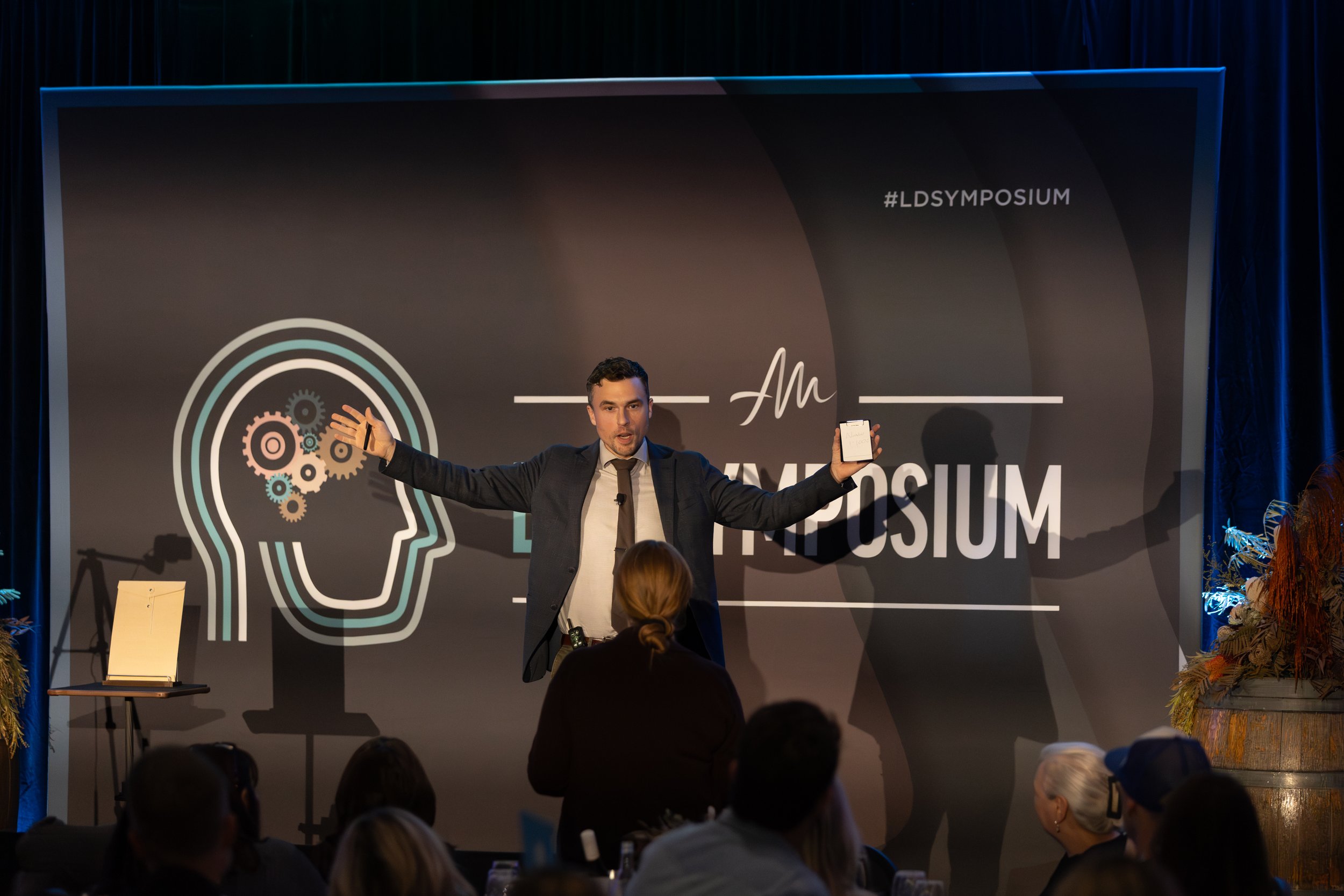
Andy Nunn is an Australian leadership keynote speaker who works with senior leaders, executive teams, and organisations to improve decision-making, communication, influence, and performance under pressure.
His keynote Mind the Gap explores how perception, assumptions, and human behaviour shape leadership effectiveness, helping organisations build stronger leaders and better conversations.
Andy regularly speaks at conferences, leadership events, and executive offsites across Sydney, Melbourne, the Gold Coast, Adelaide, and throughout Australia.
Learn more about Mind the Gap, explore Andy's keynote speaking programs, or make a speaking enquiry at www.andrewnunn.com.
Related insights
You may also want to explore:
Home – www.andrewnunn.com
Mind the Gap keynote – Andy Nunn keynote speaking
Wonderfully Uncomfortable Keynote - Andy Nunn keynote speaking
Speaking and contact enquiries – contact Andy about your event
LinkedIn – Link
Social and Podcast links
Instagram: andythementalist
Tiny Shifts Podcast: Wonderfully Uncomfortable (4 of 4): The Long Game