Modern leadership often celebrates persistence.
Push harder.
Work longer.
Never quit.
Keep going.
We're constantly told that success belongs to those who refuse to stop.
And while there is truth in that idea, there is another side to the story that receives far less attention.
Sometimes the smartest decision isn't pushing through.
Sometimes the smartest decision is knowing when to stop.
Recently, I was reminded of that lesson in a way that was both frustrating and surprisingly valuable.
After months of preparation, I lined up for my third attempt at a 100-mile ultramarathon. I had trained well, felt ready, and for the first time wasn't carrying a major injury into the event. Then, just days before the race, I became sick. Despite feeling run down, I decided to start anyway. For much of the race things went surprisingly well, but as the kilometres passed, my body began sending signals that something wasn't right. Eventually, I made the difficult decision to withdraw rather than risk creating a much larger problem.
At the time, it felt like failure.
Looking back, it was probably one of the best decisions I could have made.
And it reinforced a leadership lesson that applies far beyond sport.
The Problem With Short-Term Thinking
Most people evaluate decisions based on immediate outcomes.
Did we hit the target?
Did we win?
Did we finish?
Did we achieve the goal?
The problem is that short-term outcomes don't always tell us whether a decision was good.
Sometimes a poor decision creates a positive result.
Sometimes a good decision creates a disappointing result.
Leaders often fall into the trap of judging success based solely on what happened today.
But leadership is rarely about today alone.
It is about what happens next week, next year, and five years from now.
The best leaders understand that short-term results matter.
But long-term sustainability matters more.
When Pushing Through Becomes the Wrong Decision
We often romanticise endurance.
Stories about pushing through pain, sacrificing everything, and refusing to quit tend to attract attention.
There is something inspiring about resilience.
But resilience and stubbornness are not the same thing.
Sometimes continuing is courageous.
Sometimes stopping is courageous.
The challenge is knowing the difference.
Many leaders continue pursuing decisions long after evidence suggests they should change direction.
Not because the decision is still right.
Because walking away feels uncomfortable.
Admitting a strategy is no longer working can feel like failure.
Changing course can feel like weakness.
But in reality, the ability to adapt is often a sign of strength.
The Leadership Trap of Sunk Cost Thinking
One of the most powerful biases affecting leadership is the sunk cost fallacy.
The idea is simple.
The more time, energy, money, or effort we invest into something, the harder it becomes to walk away.
Even when walking away is the right decision.
This shows up everywhere.
Leaders stay committed to projects that are no longer delivering value.
People remain in careers they no longer enjoy.
Organisations continue investing in strategies that are clearly underperforming.
Not because those choices are still the best option.
Because they have already invested so much.
This was one of the biggest reflections I had after the race.
Part of me wanted to continue simply because of everything that had gone into getting there. The training. The preparation. The commitment. The story I had created around finishing.
But good decision-making requires us to evaluate the future, not justify the past.
What Would You Tell a Friend?
One of the most useful decision-making tools I've ever come across is surprisingly simple.
Ask yourself:
What would I tell a friend in this situation?
Or even better:
If I were watching this play out in a movie, what would I be shouting at the screen?
This creates distance.
And distance often creates clarity.
When we are emotionally invested, we become trapped inside the problem.
When we zoom out, the answer often becomes obvious.
This is one of the themes explored in Why Leaders Struggle to Make Clear Decisions Under Pressure.
Pressure narrows our thinking.
Distance expands it.
Why Sydney Organisations Need Leaders Who Think Long Term
Across Sydney, many organisations are facing increasing pressure to deliver results quickly.
Markets are changing faster.
Technology is evolving faster.
Customer expectations continue to rise.
As a result, leaders are often rewarded for short-term wins.
The challenge is that short-term thinking can create long-term problems.
The strongest organisations are increasingly focusing on sustainable performance rather than immediate performance.
They understand that growth, culture, leadership capability, and decision-making all require a long-term perspective.
What Melbourne Leaders Can Learn About Strategic Patience
Many Melbourne organisations are investing heavily in leadership development.
One reason is that strategic patience is becoming increasingly valuable.
The ability to resist reacting emotionally to short-term setbacks can significantly improve long-term outcomes.
Not every challenge requires immediate action.
Not every setback requires a dramatic response.
Sometimes the best decision is allowing enough time for better information to emerge.
Why Gold Coast Conferences Are Exploring Sustainable Performance
Leadership events across the Gold Coast are increasingly exploring topics such as resilience, performance psychology, and sustainable success.
The reason is simple.
Many people know how to achieve short-term results.
Far fewer know how to sustain performance over the long term.
Burnout, fatigue, poor decision-making, and reactive leadership often emerge when leaders focus exclusively on immediate outcomes.
The long game requires a different mindset.
One built on consistency rather than urgency.
Adelaide Organisations Are Prioritising Better Decision-Making
Across Adelaide, organisations are increasingly recognising that effective leadership requires the ability to make objective decisions.
This often means separating emotion from judgement.
It means challenging assumptions.
And it means recognising when persistence has become stubbornness.
Many leadership mistakes are not caused by a lack of intelligence.
They are caused by an inability to step back and reassess.
This idea connects closely with Why Leaders Are Often the Last to See the Problem, where leadership blind spots can prevent people from recognising issues until they become much harder to solve.
Why the Long Game Always Wins
One of the hardest lessons in leadership is accepting that not every goal will be achieved on the first attempt.
Or the second.
Or sometimes even the third.
That doesn't mean the effort was wasted.
It means the journey continues.
After withdrawing from the race, there were moments where I questioned everything. The decision. The goal. Whether I should continue pursuing it at all. But over time I realised that success is rarely defined by a single event. It is defined by what happens next.
The same applies in leadership.
The people who create meaningful impact are rarely those who win every battle.
They are the ones who stay in the game long enough to win the war.
Final Thought
Leadership is not about proving how much discomfort you can tolerate.
It is about making decisions that create the best long-term outcomes.
Sometimes that means pushing forward.
Sometimes that means stepping back.
And sometimes the bravest decision you can make is choosing the path that protects your future rather than your ego.
Because leadership is not a sprint.
It is not even a marathon.
It's the long game.
About Andy Nunn
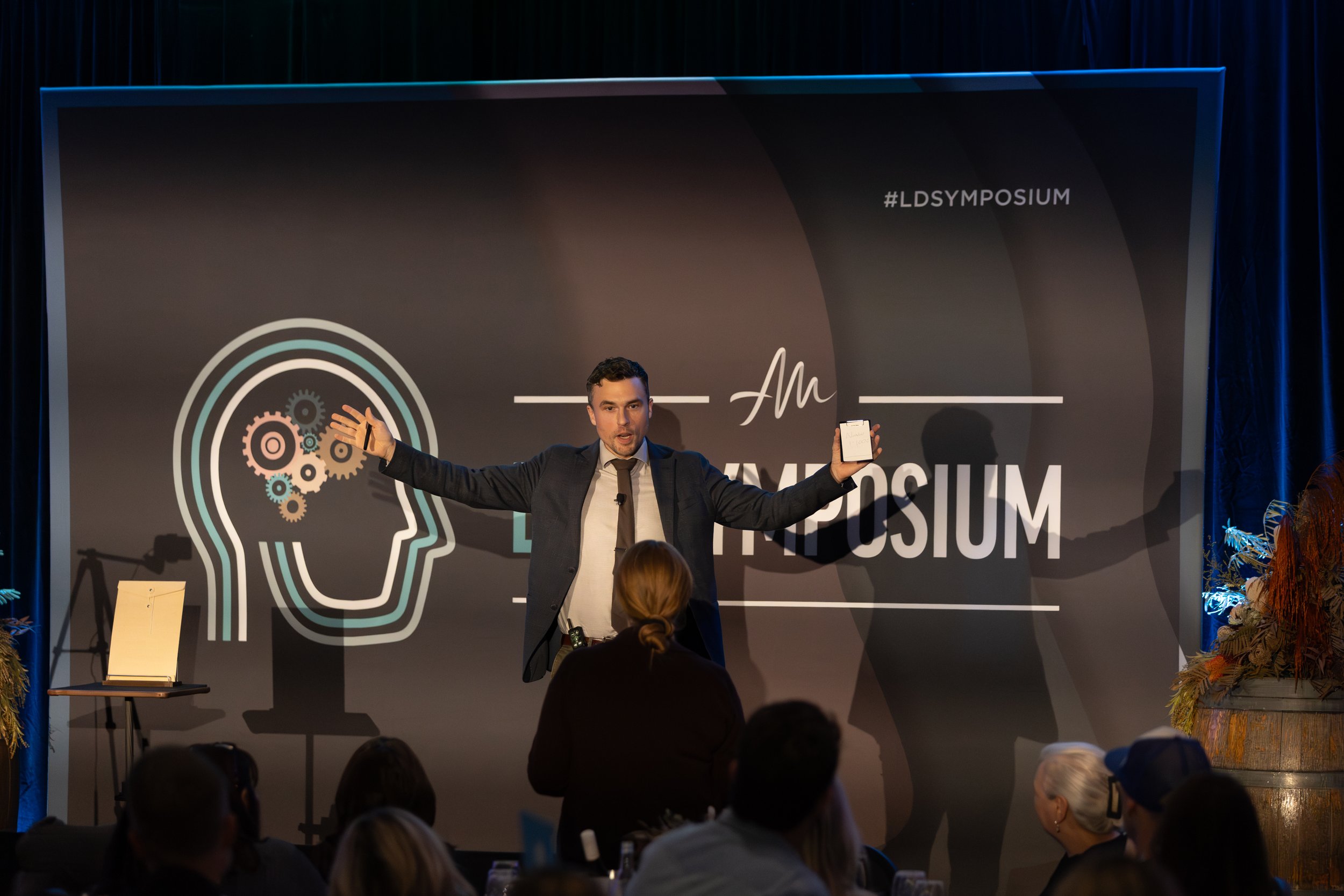
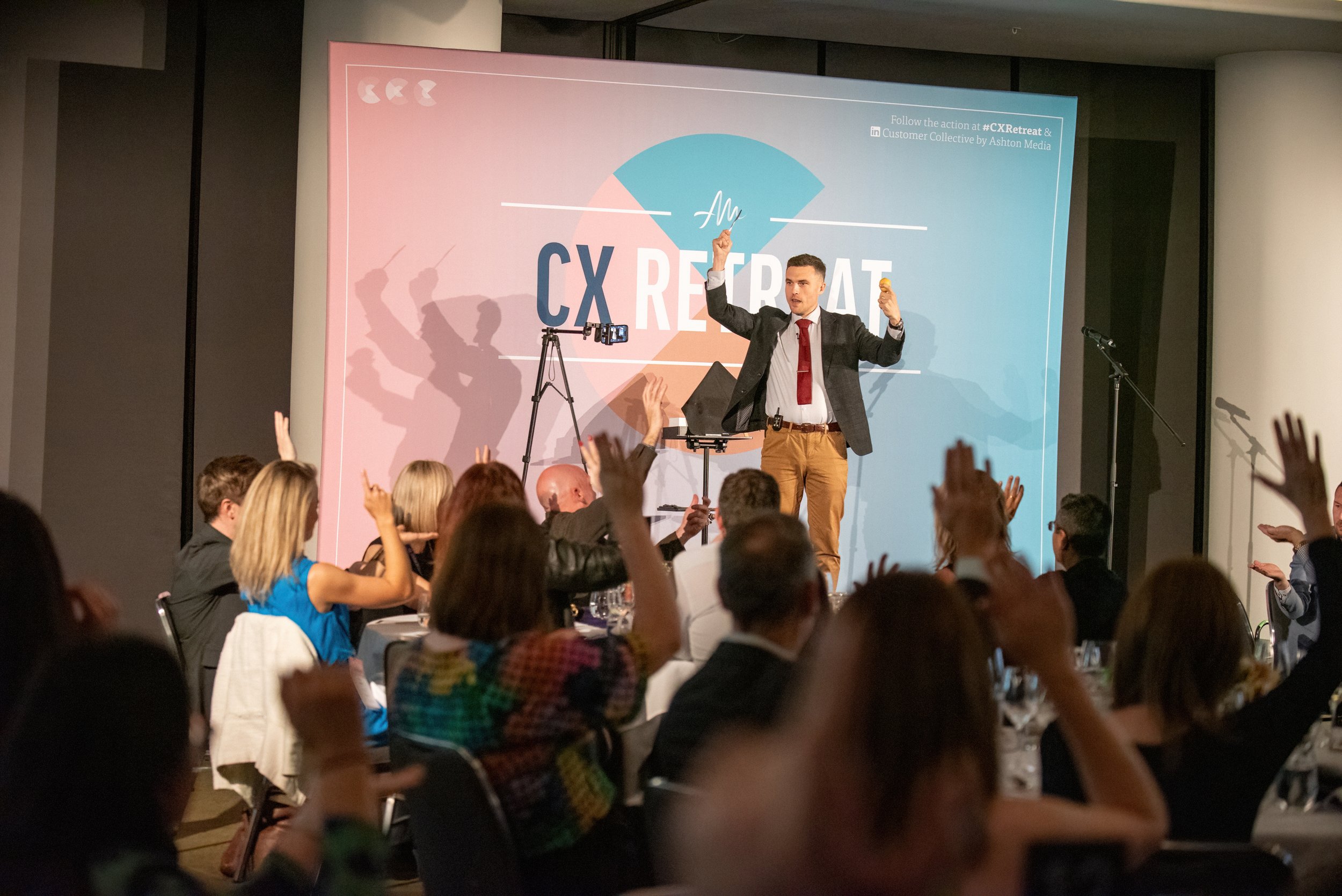
Andy Nunn is an Australian keynote speaker who works with senior leaders, executive teams, and organisations to improve decision-making, communication, resilience, and performance under pressure.
His keynote Mind the Gap explores how perception, assumptions, and human behaviour influence leadership effectiveness, helping organisations improve communication, influence, and decision-making.
Andy regularly delivers keynote presentations and leadership events across Sydney, Melbourne, Adelaide, and the Gold Coast.
Learn more about Mind the Gap, Andy's keynote speaking programs, or enquire about an upcoming event at www.andrewnunn.com.
Related insights
You may also want to explore:
Home – www.andrewnunn.com
Mind the Gap keynote – Andy Nunn keynote speaking
Wonderfully Uncomfortable Keynote - Andy Nunn keynote speaking
Speaking and contact enquiries – contact Andy about your event
LinkedIn – Link
Social and Podcast links
Instagram: andythementalist
Tiny Shifts Podcast: Wonderfully Uncomfortable (4 of 4): The Long Game