Leadership becomes most visible under pressure.
Not when things are predictable.
Not when the environment is calm.
And not when decisions are easy.
Pressure changes the way people think.
It narrows focus, increases emotional reactivity, and often pushes leaders toward faster — but not necessarily better — decisions.
This is why some leaders become clearer under pressure while others become reactive, overwhelmed, or disconnected from the people around them.
And in modern organisations, where uncertainty, speed, and complexity continue to increase, this ability matters more than ever.
Pressure Changes the Way We Think
One of the biggest misconceptions in leadership is the belief that pressure simply “reveals character”.
In reality, pressure also changes cognition.
When stress levels rise:
thinking becomes narrower
emotional responses increase
communication often becomes less effective
long-term thinking is replaced by short-term urgency
This is not weakness.
It is human behaviour.
The challenge for leaders is recognising when pressure is influencing perception and decision-making in ways they may not immediately notice.
Why Smart Leaders Still Make Poor Decisions
Intelligence does not remove bias.
Experience does not eliminate emotional reactions.
And seniority does not automatically improve clarity under pressure.
In fact, high-performing leaders often face:
more complexity
greater responsibility
faster decision cycles
higher emotional load
This can create environments where even experienced leaders begin:
overthinking
rushing decisions
avoiding difficult conversations
reacting emotionally
defaulting to familiar patterns
The issue is rarely capability alone.
More often, it is awareness.
Why Sydney Leadership Teams Are Prioritising Decision-Making
Across Sydney, organisations are placing increasing pressure on leaders to make faster and clearer decisions in uncertain environments.
This is changing what companies look for in leadership development and keynote speaking.
Conference organisers and executive teams are increasingly seeking keynote speakers who can deliver practical insight around:
communication under pressure
leadership behaviour
decision-making
resilience
performance psychology
Rather than short-term motivation alone, Sydney audiences are looking for ideas that improve performance beyond the event itself.
Melbourne Organisations Are Focusing on Leadership Communication
Many Melbourne organisations are recognising that communication is often the first thing to break down during pressure and uncertainty.
Leaders may believe they are being decisive when, in reality, teams experience confusion, tension, or inconsistency.
This is why leadership conferences in Melbourne are increasingly exploring:
emotional intelligence
behavioural awareness
communication
leadership mindset
resilience under pressure
The ability to communicate clearly during stressful periods has become one of the most valuable leadership skills in modern organisations.
Why Gold Coast Conferences Are Shifting Towards Performance Psychology
The Gold Coast continues to grow as a destination for leadership conferences, executive retreats, and corporate events.
As these events evolve, audiences are becoming more interested in:
behavioural psychology
sustainable performance
leadership resilience
mindset
self-awareness
Organisations are increasingly looking for keynote speakers who combine engaging storytelling with practical insight leaders can apply immediately inside teams and workplaces.
Adelaide Organisations Want Practical Leadership Insight
Across Adelaide, many organisations are shifting away from purely inspirational keynote sessions.
Instead, there is growing demand for speakers who can connect leadership thinking to:
workplace performance
decision-making
adaptability
communication
organisational culture
This is especially relevant for organisations navigating:
change
growth
uncertainty
performance pressure
Practical leadership insight is becoming far more valuable than generic motivation.
Leadership Clarity Comes From Awareness, Not Control
Many leaders try to manage pressure by controlling everything around them.
But clarity rarely comes from control alone.
It comes from awareness:
awareness of emotional responses
awareness of assumptions
awareness of communication patterns
awareness of how stress changes behaviour
The ability to pause and recognise what is happening internally can dramatically improve decision-making quality.
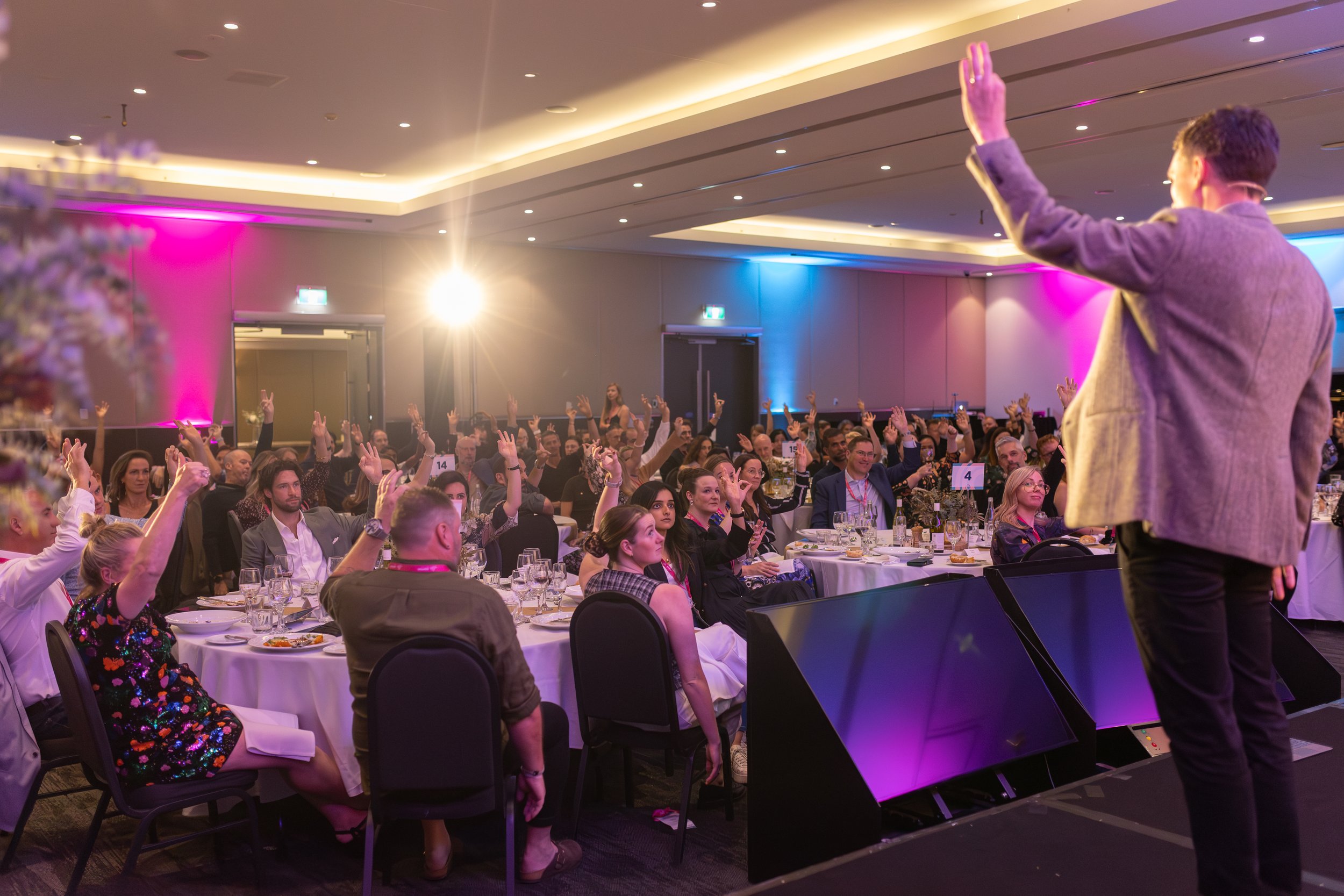
This is one of the central ideas behind Mind the Gap — Andy Nunn’s keynote focused on perception, leadership, and decision-making under pressure.
Because often, the biggest gap inside organisations is the gap between:
intention and impact
perception and reality
reaction and response
Communication Is Usually the First Thing to Break Down
Under pressure, communication often becomes:
shorter
less patient
less clear
more reactive
Leaders may believe they are being decisive when, in reality, they are creating confusion or tension around them.
This is particularly common during:
organisational change
high-growth periods
restructuring
uncertainty
performance pressure
When leaders become stressed, teams often feel it before leaders recognise it themselves.
That is why emotionally intelligent communication is not a “soft skill”.
It is a performance skill.
The Cost of Reactive Leadership
Reactive leadership creates hidden organisational costs.
Teams become:
hesitant
unclear
disconnected
less innovative
less psychologically safe
Over time, this impacts:
performance
communication
trust
retention
culture
The leaders who create stability under pressure are rarely the loudest people in the room.
They are usually the clearest.
Better Decision-Making Starts With Better Thinking
The highest-performing leaders are not necessarily the people who avoid pressure.
They are the people who learn how to think clearly within it.
That means:
slowing down before reacting
questioning assumptions
recognising emotional bias
improving communication
staying adaptable during uncertainty
These are trainable skills.
And increasingly, they are becoming some of the most valuable leadership capabilities inside modern organisations.
Why This Matters for Leadership Events and Conferences
Leadership audiences are changing.
Conference organisers across Sydney, Melbourne, Adelaide, and the Gold Coast are increasingly looking for keynote speakers who can help leaders:
think more clearly
communicate more effectively
perform under pressure
navigate uncertainty
improve decision-making
The most valuable keynote sessions are no longer purely motivational.
They are practical, psychologically aware, and commercially relevant.
This is where keynote speaking can move beyond inspiration and become a catalyst for meaningful leadership change.
Final Thought: Pressure Reveals the Quality of Thinking
Pressure is unavoidable.
The real question is:
What happens to thinking when pressure arrives?
Because leadership performance is rarely defined by intentions alone.
It is defined by:
clarity
awareness
communication
decision-making
consistency under pressure
The leaders who develop these skills create stronger teams, healthier cultures, and better long-term performance.
About Andy Nunn
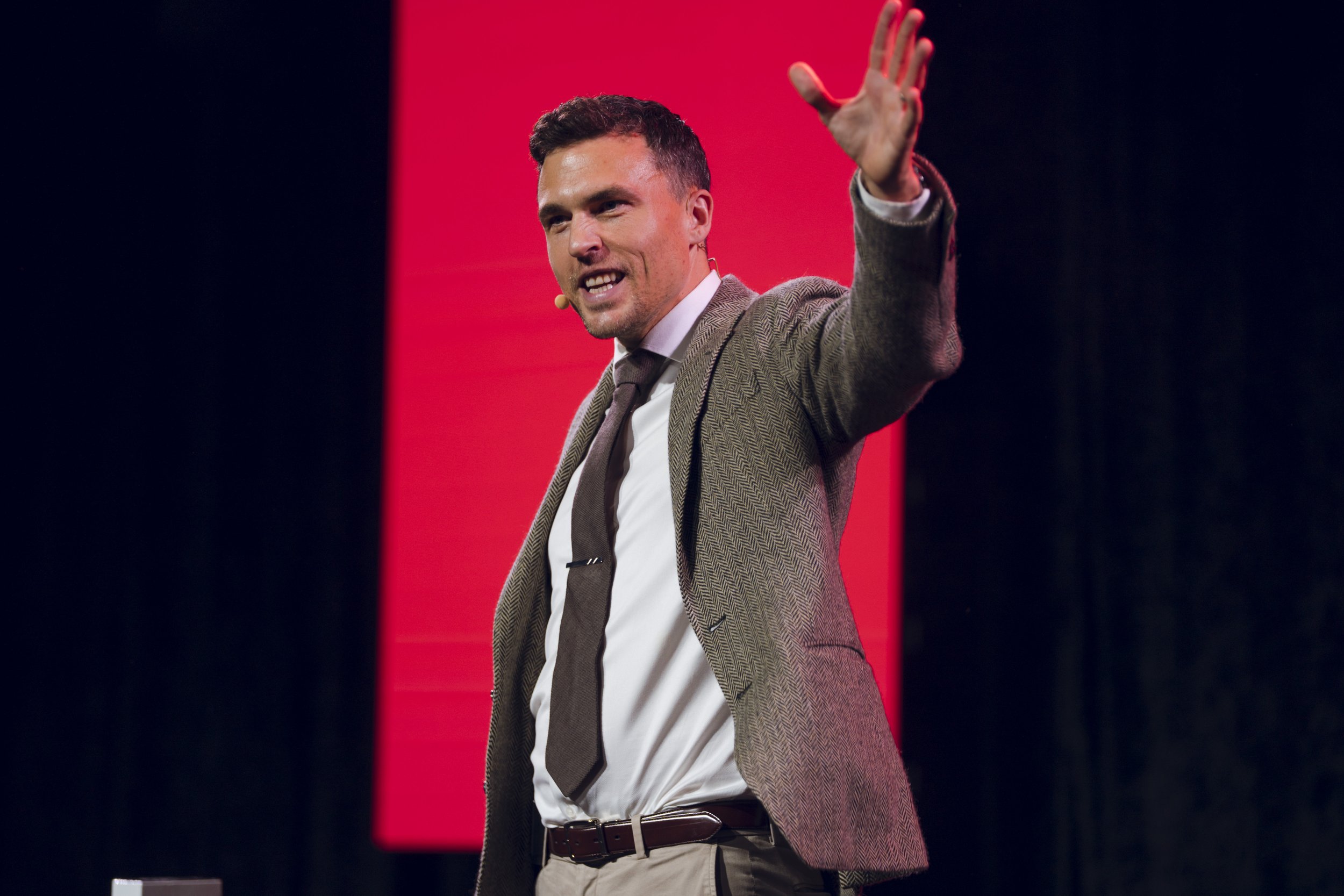
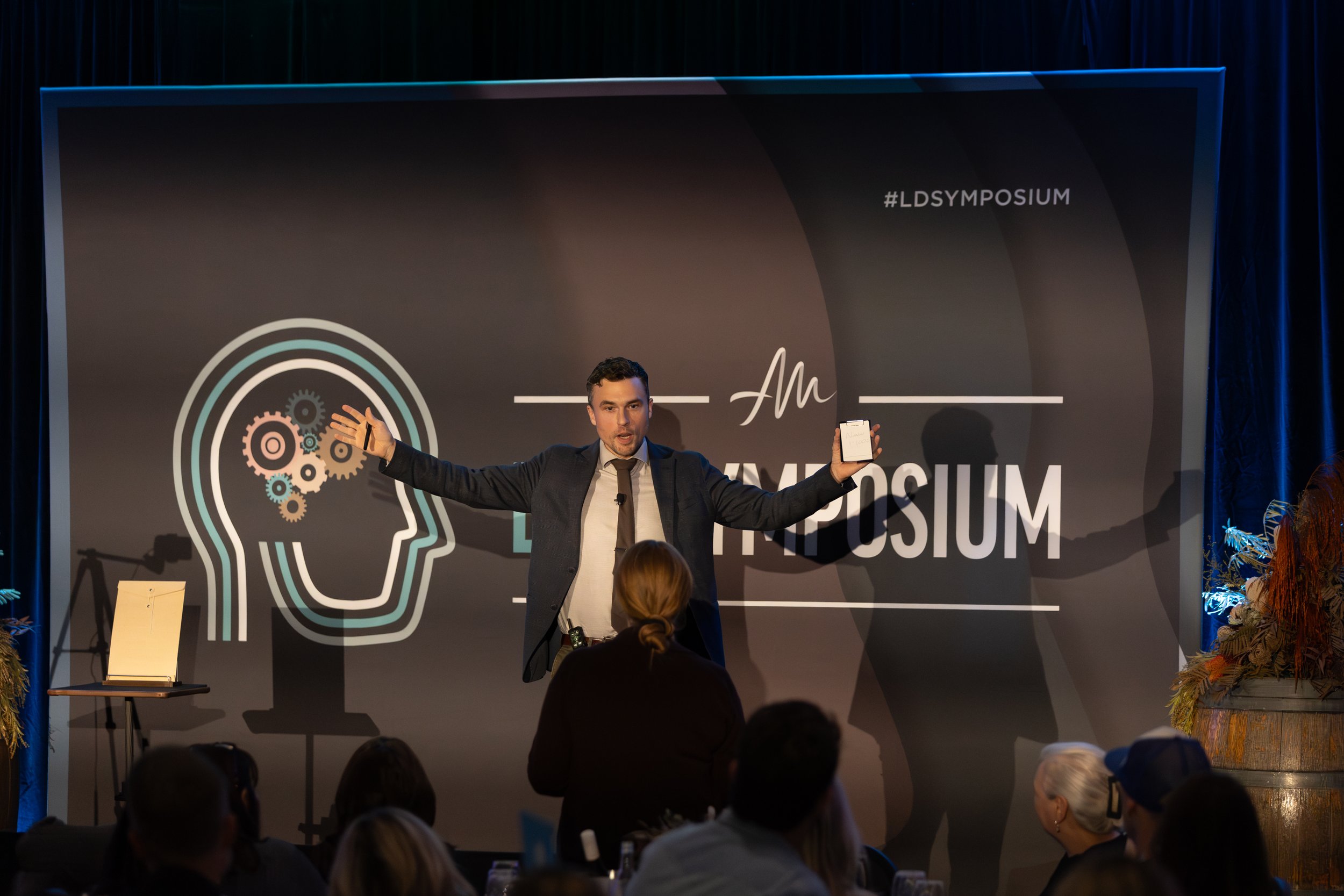
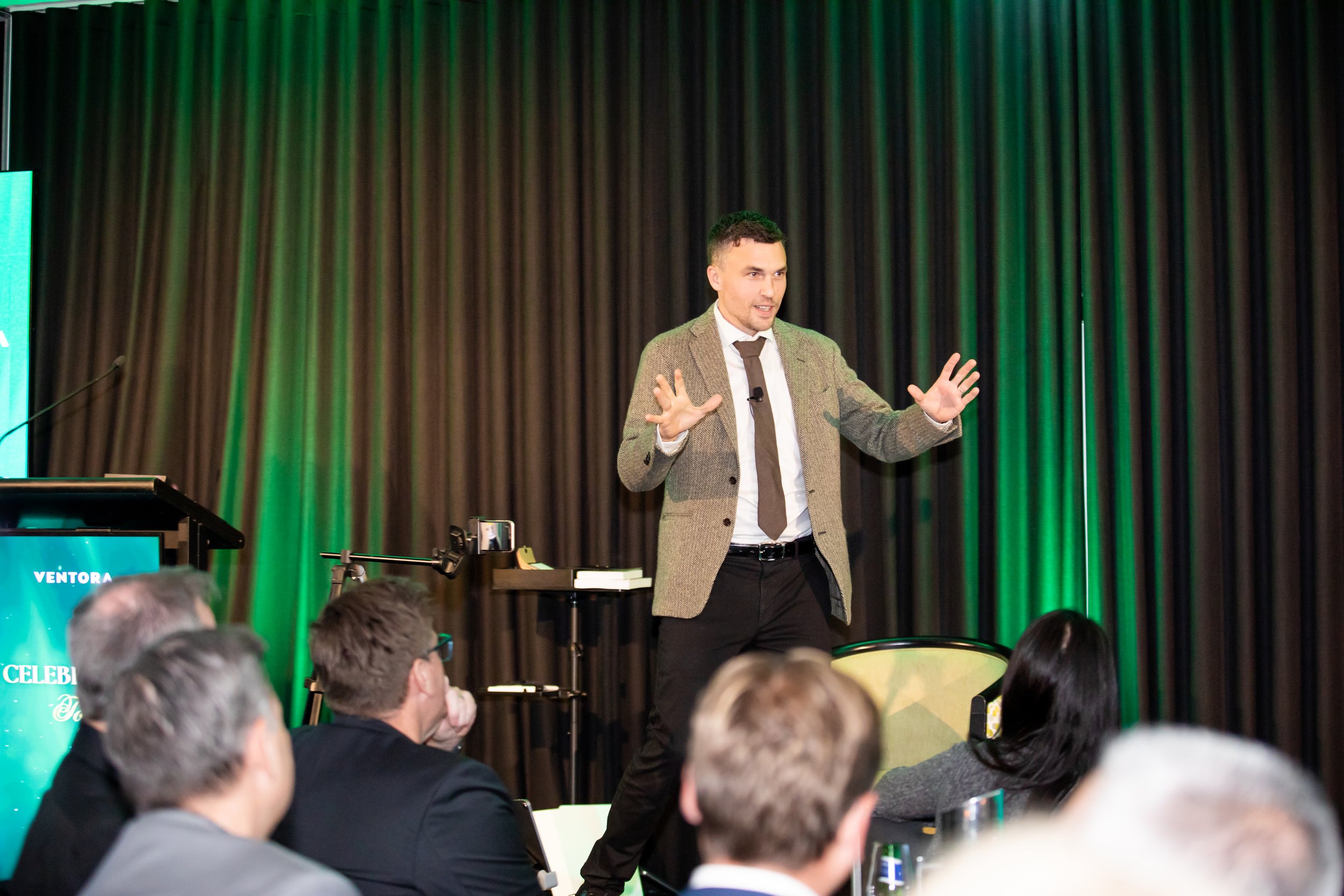
Andy Nunn is an Australian keynote speaker working with senior leaders, executive teams, and organisations on leadership, communication, decision-making, and performance under pressure.
His keynote Mind the Gap explores how perception, behaviour, and thinking influence leadership effectiveness in high-pressure environments.
Andy regularly speaks at conferences, leadership events, and corporate offsites across Sydney, Melbourne, Adelaide, and the Gold Coast.
Learn more or enquire about keynote speaking at:
https://www.andrewnunn.com/
Related insights
You may also want to explore:
Home – www.andrewnunn.com
Mind the Gap keynote – Andy Nunn keynote speaking
Wonderfully Uncomfortable Keynote - Andy Nunn keynote speaking
Speaking and contact enquiries – contact Andy about your event
LinkedIn – Link
Social and Podcast links
Instagram: andythementalist
Tiny Shifts Podcast: Why We Can’t Do The Things We Say We Are Going To Do